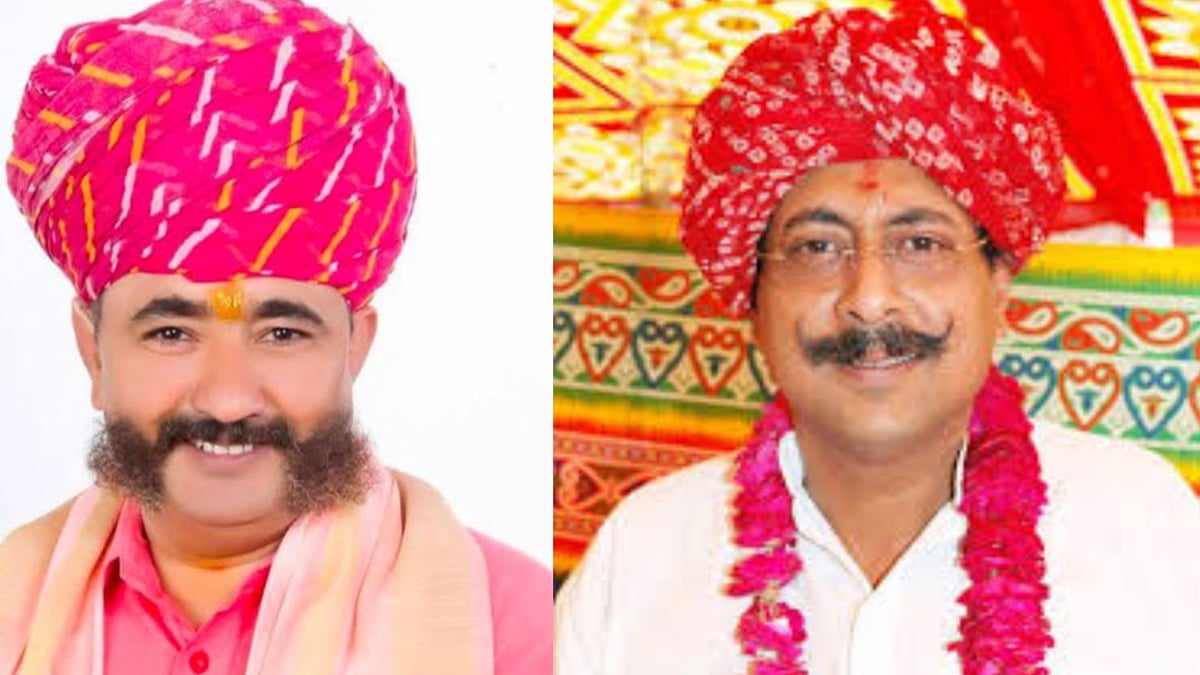
In a significant political development across Rajasthan, prominent farmer leader Nemsingh Faujdar has officially returned to the fold of the Congress party. This high-profile re-entry comes at a crucial juncture, specifically timed ahead of the upcoming Panchayati Raj and local body elections in the state. Political analysts note that grassroots realignments are currently shaping the political landscape as parties prepare for intense electoral battles at the local level.
The formal induction ceremony took place in the presence of senior party leadership, reinforcing the organizational strategy of the Congress. State Congress President Govind Singh Dotasara personally welcomed Nemsingh Faujdar back into the party fold by granting him the primary membership of Congress. This political homecoming highlights ongoing efforts by the party leadership to consolidate rural support bases and bring back influential local leaders into active party participation.
The timing of this political realignment holds immense strategic importance for the upcoming elections. Panchayati Raj and local body elections serve as the foundational bedrock for political influence in rural and semi-urban constituencies across Rajasthan. By integrating influential community and farmer leaders like Nemsingh Faujdar, the party seeks to enhance its outreach and address key local agrarian concerns effectively before voters head to the polling booths.
Reactions from various political circles and local stakeholders indicate that this return could shift regional dynamics significantly. Farmer leaders play a vital role in articulating community demands, managing grassroots grievances, and mobilizing rural electorates. The inclusion of Nemsingh Faujdar is anticipated to bolster the campaigning efforts of Congress candidates in targeted rural pockets and administrative zones across the state.
Within the broader regional context, particularly affecting communities and political observers in districts like Kotputli-Behror and surrounding areas, such high-level political shifts generate considerable debate. Local citizens, workers, and traders closely monitor these developments, as local body governance directly impacts infrastructure development, civic amenities, and rural welfare implementation at the grassroots level.
On the administrative and organizational front, political parties are ramping up their structural preparations to ensure strict adherence to electoral guidelines while aggressively campaigning. Party headquarters are coordinating closely with newly inducted leaders to streamline campaign logistics, finalize local manifestos, and address pressing public grievances highlighted by community representatives during preliminary consultations.
Looking ahead, the formal re-entry of Nemsingh Faujdar sets the stage for a competitive electoral contest in the upcoming local body polls. As election dates draw closer, public expectations remain high regarding transparent governance, rural development, and effective representation. The ability of the Congress party to leverage this leadership transition will heavily depend on cohesive ground-level execution and sustained engagement with the rural electorate throughout Rajasthan.