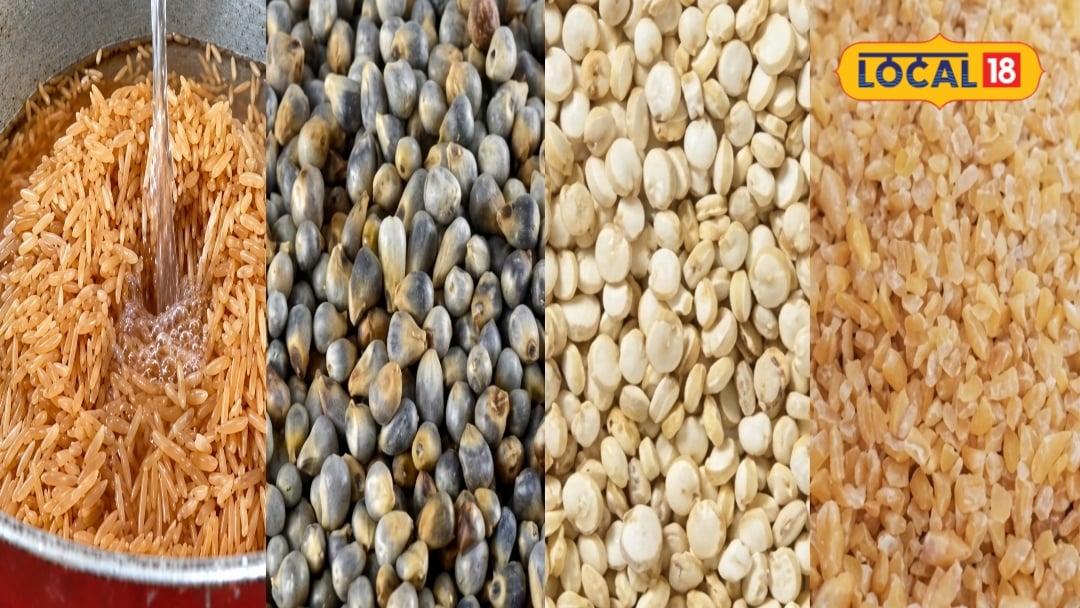
In an effort to promote healthier lifestyle choices among diabetes patients, medical professionals are strongly advising the replacement of traditional white rice with wholesome alternatives such as brown rice, coarse grains, quinoa, porridge, and oats. This dietary modification has emerged as a cornerstone in contemporary medical discussions regarding metabolic health and effective glycemic control. Managing chronic conditions like diabetes requires meticulous attention to daily nutritional intake, where small adjustments can yield substantial long-term health benefits for patients across the region.
The historical reliance on heavily polished white rice in traditional diets has frequently contributed to fluctuations in blood glucose levels, posing ongoing challenges for individuals diagnosed with metabolic disorders. Over decades, dietary patterns have shifted significantly, leading to a rise in lifestyle-related health concerns. Recognizing this epidemiological trend, healthcare practitioners have increasingly advocated for a return to traditional, fiber-rich whole grains that sustained communities historically before the mass commercialization of refined food products.
Analyzing the biochemical properties of recommended dietary alternatives reveals that coarse grains and whole foods possess a significantly lower glycemic index compared to refined carbohydrates. According to Sikar-based health expert Dr. Amit Kumar, the abundant dietary fiber present in these recommended food items substantially slows down the digestion process and the subsequent absorption of glucose into the bloodstream. This physiological mechanism prevents sudden spikes in blood sugar, thereby offering a sustainable dietary framework for individuals struggling with insulin resistance.
Medical practitioners, clinical nutritionists, and community health advocates have united in emphasizing that dietary interventions must be implemented with careful consideration of individual physiological needs and portion control. Dr. Amit Kumar points out that even the most beneficial nutritional alternatives, such as millets or oats, must be consumed in measured quantities to avoid unintended caloric surpluses. Stakeholders across the healthcare sector continue to conduct awareness sessions to educate patients on the importance of mindful eating and personalized diet planning.
The regional implications of adopting these dietary changes within communities in districts such as Kotputli-Behror and surrounding areas are profound, touching upon local agricultural markets, household expenditure, and public health outcomes. As more families integrate coarse grains and traditional millets into their daily meals, local grain vendors and farmers observe a steady rise in the demand for indigenous crops. This grassroots nutritional transition not only fosters better metabolic health but also supports regional agricultural diversity and sustainable farming practices.
Administrative bodies and public health departments are increasingly supporting nutritional education initiatives, aligning with broader governmental campaigns to combat the prevalence of non-communicable diseases. Public health advisories distributed across medical facilities emphasize that dietary modifications alone, while vital, form only one component of comprehensive disease management. Health authorities continue to coordinate with medical experts to disseminate accurate nutritional guidelines to the general populace through organized community workshops and health camps.
Looking toward the future, healthcare providers recommend a holistic approach that seamlessly integrates a balanced diet, consistent physical activity, and sustainable lifestyle modifications to achieve long-term glycemic stability. As ongoing medical research continues to validate the therapeutic benefits of coarse grains and fiber-rich foods, public health strategies will increasingly focus on preventive care and nutritional literacy. Patients are encouraged to maintain regular consultations with qualified medical professionals to tailor their dietary regimens according to their evolving health requirements.