
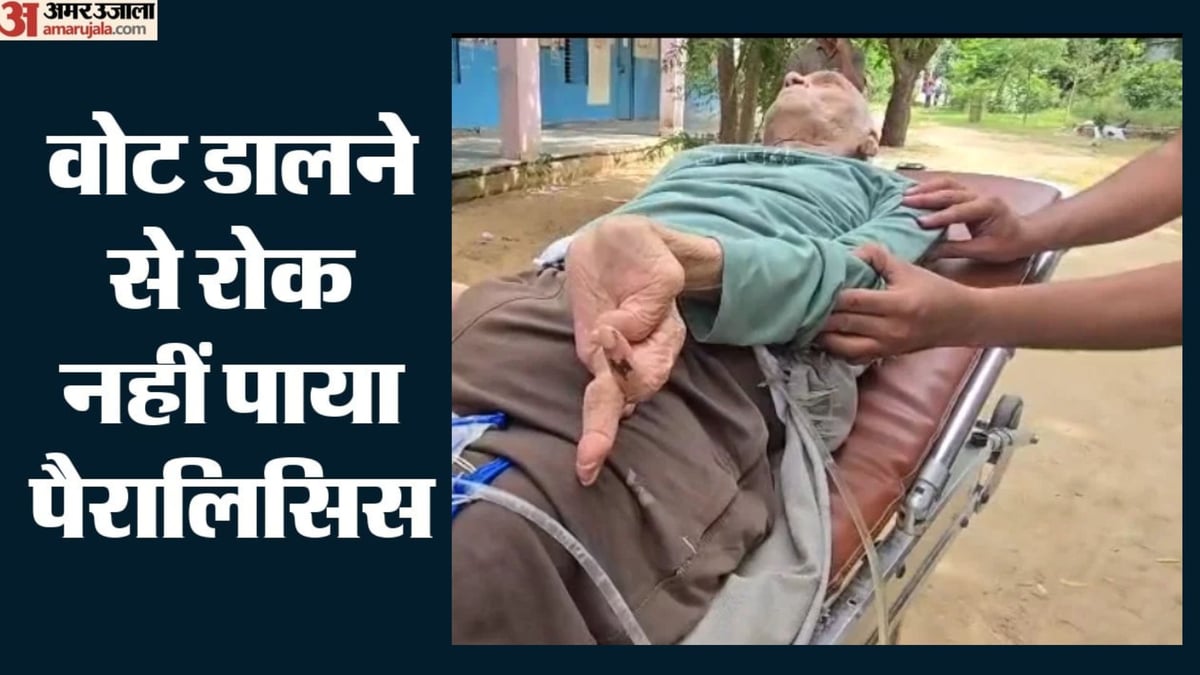
On the day of the second phase of the urban local body elections in Kotputli‑Behror district, an elderly resident of Behror, whose health had recently deteriorated, left the confines of a local hospital and walked to a designated polling station to cast his vote. The election, which includes the Behror Municipal Council as well as the Neemrana and Bardod municipalities, is being conducted across 55 wards with a total electorate of 66,896 voters spread over 69 polling centres. The senior citizen’s determination to fulfil his civic duty has become a focal point of local media coverage, underscoring the human dimension of the democratic process.
The urban local body elections are the first major electoral exercise in the district since the 2022 municipal reforms, which expanded the number of wards and introduced new governance structures. Historically, voter turnout in the region has hovered around 55‑60 percent, but the inclusion of additional wards this time has raised expectations for broader participation. The second phase, scheduled for this week, follows a first phase that covered the northern part of the district and set a precedent for orderly conduct despite occasional logistical hiccups.
From a logistical standpoint, the election machinery has deployed 69 polling stations across the three municipalities, each equipped with electronic voting machines, security personnel and auxiliary staff. The 66,896 registered voters are distributed unevenly, with Behror accounting for roughly 38 percent of the electorate, Neemrana for 32 percent and Bardod for the remaining 30 percent. Transportation arrangements, including special buses for senior citizens and persons with disabilities, have been announced by the district election officer. Nevertheless, the case of the elderly voter illustrates the real‑world challenges that persist when health emergencies intersect with the fixed timetable of polling.
Election officials have praised the senior citizen’s resolve while acknowledging the need for better support mechanisms. “Our staff are trained to assist voters with mobility issues, but we recognise that individual circumstances can demand extra effort,” said the District Election Officer in a brief statement. A nearby health worker, who attended to the elderly man earlier in the day, noted that the patient’s blood pressure had been unstable, yet he insisted on voting, citing a lifelong belief in civic responsibility. Local shopkeepers near the polling centre reported a modest increase in foot traffic, attributing it partly to the presence of senior voters who required assistance.
The broader impact on Kotputli‑Behror district is multifaceted. Economically, the election period has stimulated short‑term activity for transport providers, security firms and vendors supplying election materials. Socially, the visibility of senior participation may encourage other elderly residents to overcome mobility constraints and engage in the electoral process. Community organisations have seized the moment to launch awareness campaigns aimed at educating voters about the availability of assistance services at polling stations.
In response to the incident, the district administration has reiterated its commitment to inclusive voting. Additional wheelchair‑friendly booths are being set up at three high‑traffic polling centres, and a helpline has been launched to coordinate volunteers who can escort voters with health concerns. The Election Commission’s regional office has also issued a directive to ensure that medical emergencies are promptly communicated to polling staff, allowing for temporary extensions of voting time where feasible.
Looking ahead, the final phase of the urban local body elections is slated for next week, covering the remaining wards in the district. Authorities anticipate a turnout marginally higher than the previous phase, driven in part by the heightened public awareness generated by stories such as the elderly voter’s journey. Observers expect that the continued emphasis on accessibility will not only improve participation rates but also set a benchmark for future elections across Rajasthan.