
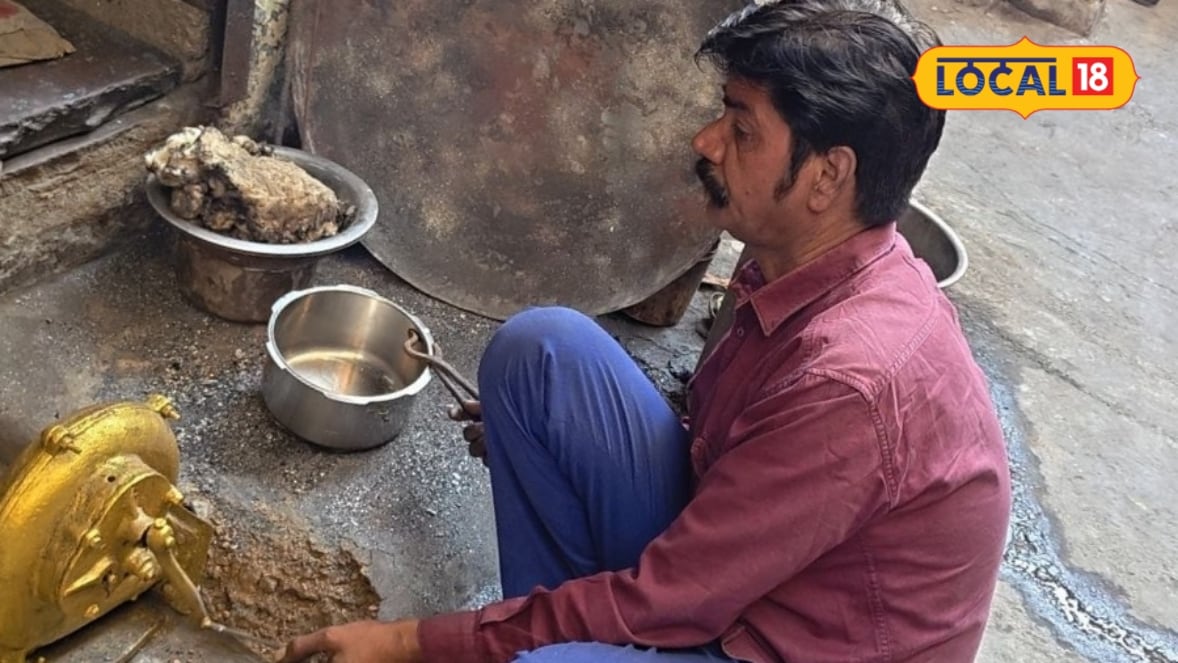
In the heart of the historic Rampura locality in Kota, the rhythmic and unmistakable sound of striking hammers continues to reverberate through the narrow corridors of Thathera Gali. Here, skilled artisans persist in manufacturing traditional utensils made of brass, copper, and bronze, maintaining a centuries-old tradition that forms an integral part of the region's rich material heritage. Despite the relentless march of modernization and mass-produced commercial alternatives, this dedicated enclave remains a steadfast testament to indigenous metalcraft and manual dexterity.
Historically, this vibrant lane was recognized as a bustling hub of artisanal activity, housing around 40 dedicated craftsmen who worked tirelessly to supply durable household metalware to local markets and beyond. The craft itself represents a profound cultural continuity, passed down meticulously through three to four generations within the same families. These hereditary artisans acquired their intricate skills through rigorous apprenticeships under the guidance of their elders, transforming raw metal sheets into utilitarian masterpieces of immense aesthetic and functional value.
However, the contemporary ground reality of Thathera Gali reflects a sobering narrative of decline and economic marginalization. Over the decades, the once-thriving community of 40 artisans has dwindled drastically, leaving merely one or two craftsmen actively engaged in the daily fabrication of brass, copper, and bronze vessels. This steep reduction in the workforce highlights severe economic pressures, rising raw material costs, and the influx of cheap factory-made substitutes that have systematically eroded the commercial viability of traditional hand-beaten metalware.
Veteran craftsmen operating within this diminishing ecosystem voice deep concern regarding the future of their ancestral trade. Speaking on the challenges they face, the remaining artisans emphasize that the lack of institutional financial support, combined with dwindling market demand for authentic handcrafted copper and brass items, threatens to extinguish this unique artistic lineage permanently. Without structured patronage or organized platforms to showcase their labor-intensive creations, the younger generation within these families is increasingly compelled to abandon the craft in search of alternative livelihoods.
The cultural repercussions of this artisanal decline extend far beyond the immediate boundaries of Kota, resonating across the wider region including districts such as Kotputli-Behror, where traditional handicrafts form a foundational pillar of local heritage and identity. The systematic disappearance of specialized metalworking skills signifies a broader crisis confronting traditional manufacturing sectors across Rajasthan. When ancient guilds and specialized residential quarters lose their primary workforce, the region suffers an irreparable loss of intangible cultural heritage that can never truly be replicated by modern industrial manufacturing.
Addressing the formidable challenges faced by the few remaining artisans of Thathera Gali necessitates concerted administrative attention and targeted policy interventions from cultural preservation bodies and local governance authorities. Stakeholders have repeatedly underscored the urgent necessity for financial grants, skill-upgradation programs, modern marketing infrastructure, and subsidized raw materials to revitalize this struggling sector. Establishing specialized emporiums and digital marketplaces could potentially bridge the gap between traditional craftspeople and contemporary consumers who value authentic, sustainable, and handmade goods.
Looking toward the future, the survival of the metalcraft tradition in Kota's Thathera Gali hangs in a precarious balance, depending entirely on proactive institutional intervention and public awareness. If timely measures are implemented to support the last remaining practitioners, this iconic lane might yet witness a revival of its glorious past. Conversely, without robust administrative backing and renewed community patronage, the iconic sound of hammers in Thathera Gali risks falling silent forever, marking the tragic end of a magnificent multi-generational legacy.
