
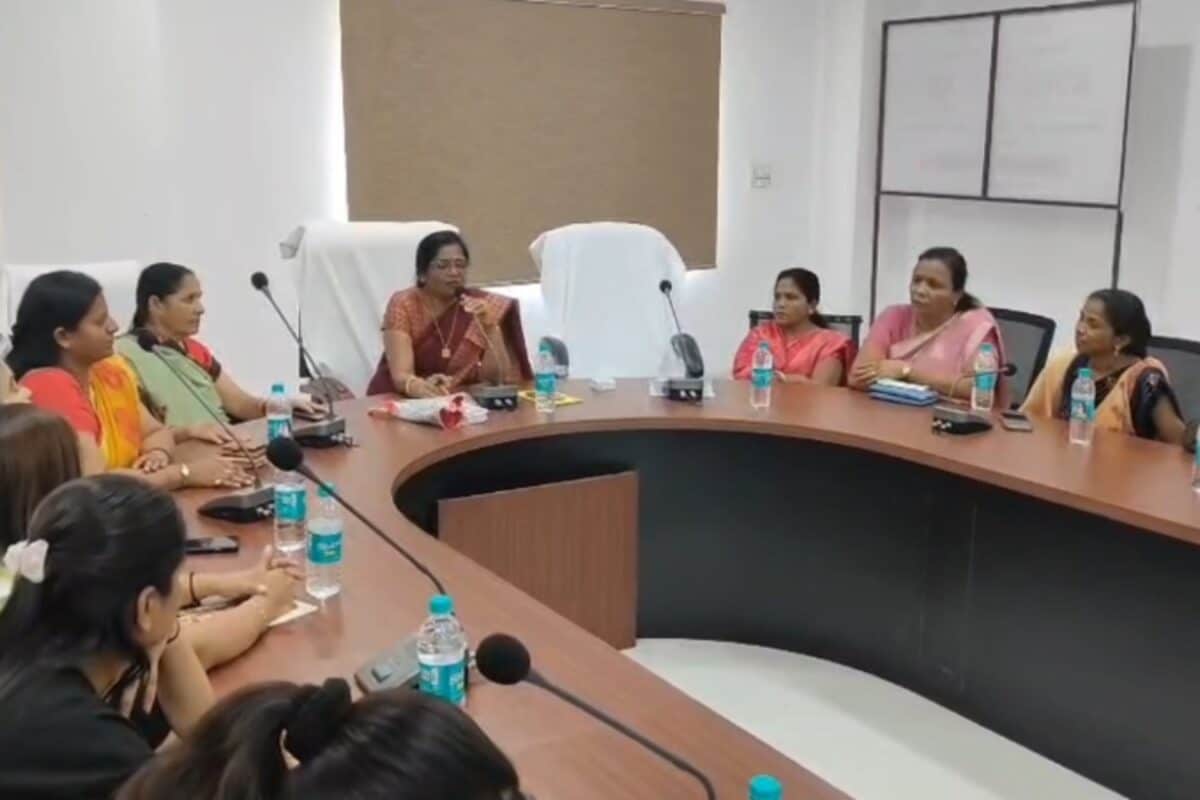
In a major progressive stride toward women empowerment and economic self-reliance, the Dungarpur Municipal Council has rolled out a comprehensive vocational training initiative. This ambitious program is meticulously designed to uplift women from economically disadvantaged backgrounds by equipping them with practical, market-driven skills that guarantee livelihood opportunities right within their hometown. The administrative framework of this scheme focuses intensely on bridging the gap between unemployment and financial independence through structured skill enhancement.
The conceptual origin of this welfare initiative stems from a pressing need to address the economic vulnerabilities faced by numerous women in the region. Historically, limited access to formal vocational education and financial resources restricted many women from contributing actively to their household incomes. Recognizing this socio-economic barrier, municipal authorities decided to intervene proactively, transforming the local socio-economic landscape by converting potential into productive economic output.
At the operational core of this municipal strategy is a collaborative community-based mentoring model. Established local women entrepreneurs, who have achieved success in their respective commercial ventures, have stepped forward to impart rigorous training to underprivileged women. This grassroots approach ensures that the training imparted is not merely theoretical, but deeply rooted in practical market realities, current consumer demands, and high-quality craftsmanship standards required in the local economy.
The curriculum of the training program covers a diverse array of traditional and contemporary trades, ensuring that every participant can choose a path aligned with her personal aptitude and market demand. Specialized modules have been structured for skill development in mehndi application, garment stitching, intricate embroidery, and professional beauty parlor operations. These specific fields have been chosen due to their consistent local demand and low capital entry barriers, making it exceptionally feasible for trainees to launch independent micro-enterprises post-training.
Looking at the broader economic framework, the successful implementation of this initiative is expected to catalyze localized economic growth across the municipal jurisdiction. When women acquire independent earning capacities, household savings increase, children's education improves, and overall family welfare standards rise exponentially. The municipal administration anticipates that this initiative will foster a vibrant network of women-led micro-enterprises, thereby significantly strengthening the regional economy of Dungarpur.
Administrative oversight and logistical facilitation are being directly monitored by Municipal Council Chairperson Sushila Gupta, ensuring that the benefits of the program reach the intended beneficiaries without bureaucratic delays. The municipal body has committed to providing necessary institutional support, community mobilization, and awareness campaigns to encourage maximum participation from marginalized households across all municipal wards.
As the rollout progresses into its implementation phases, municipal authorities are optimistic about creating a sustainable ecosystem of women entrepreneurship. Future plans include facilitating linkages with financial institutions and micro-credit schemes so that trained women can easily procure startup capital to expand their newly acquired vocations into full-fledged commercial enterprises, establishing a permanent benchmark for municipal welfare administration.
