
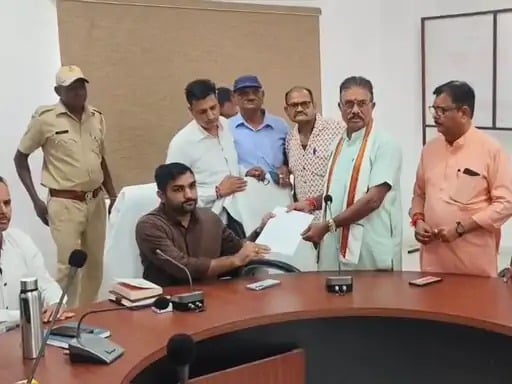
The political stalemate that threatened internal harmony within the Bharatiya Janata Corporation in Dungarpur has reached a definitive resolution following intense deliberations. The local leadership successfully navigated through a complex factional dispute concerning the high-profile chairperson position. This critical development ensures party unity and paves the way for a smooth transition of municipal governance.
Historically, municipal elections in this region have witnessed fierce competition and intricate internal negotiations among senior party leaders. The recent electoral battle set a stage where multiple aspirants vied for the top municipal post, creating temporary apprehension among party loyalists and observers alike. The stakes involved maintaining party discipline and ensuring effective local administration.
A rigorous examination of the electoral landscape reveals that out of a total of 40 wards, the Bharatiya Janata Party secured a dominant position by winning 24 wards. This clear electoral mandate provided the party with a comfortable majority, yet internal differences over the chairperson candidate threatened to overshadow their democratic triumph. The resolution of this internal friction safeguards the collective mandate given by the voters.
Local stakeholders, community representatives, and party workers emphasized the necessity of a unified front to accelerate municipal development projects. Business owners and residents expressed relief over the resolution, noting that political stability is paramount for the timely execution of civic infrastructure initiatives, sanitation programs, and public welfare schemes within the municipal jurisdiction.
While this particular administrative event centers specifically within Dungarpur, the ripples of such political resolutions resonate throughout surrounding districts and administrative zones. Strengthening local governance structures directly impacts regional development paradigms, influencing economic growth, commercial activities, and civic planning across administrative boundaries.
Administrative authorities and election observers monitored the developments closely to ensure absolute adherence to statutory protocols and municipal guidelines. The official withdrawal of nominations aligns with established electoral procedures, granting the returning officer the necessary clarity to finalize proceedings without legal or procedural impediments.
Looking forward, the formal assumption of office by Sushila Gupta is anticipated to usher in a focused era of municipal administration and public service delivery. The primary challenge ahead for the newly established leadership will be translating the electoral majority into tangible development outcomes that fulfill the expectations of the citizens of Dungarpur.