
The celebrations surrounding the festival of Diwali in Jaipur were marred by multiple incidents of firecracker-related mishaps, casting a shadow of pain and anxiety across the region. While the festival traditionally symbolizes the triumph of light over darkness, the unrestrained bursting of high-decibel and hazardous fireworks led to numerous emergency medical admissions. Citizens across various localities experienced unexpected hazards that instantly transformed joyous festivities into urgent healthcare situations.
Historically, the festival season in Rajasthan witnesses a massive surge in commercial activities, public gatherings, and widespread consumption of celebratory pyrotechnics. Despite ongoing public awareness campaigns and regulatory oversight aimed at curbing hazardous materials, the deep-rooted cultural reliance on loud fireworks often overrides precautionary instincts. This persistent seasonal pattern predictably places an immense burden on urban healthcare institutions every single year during the peak celebration hours.
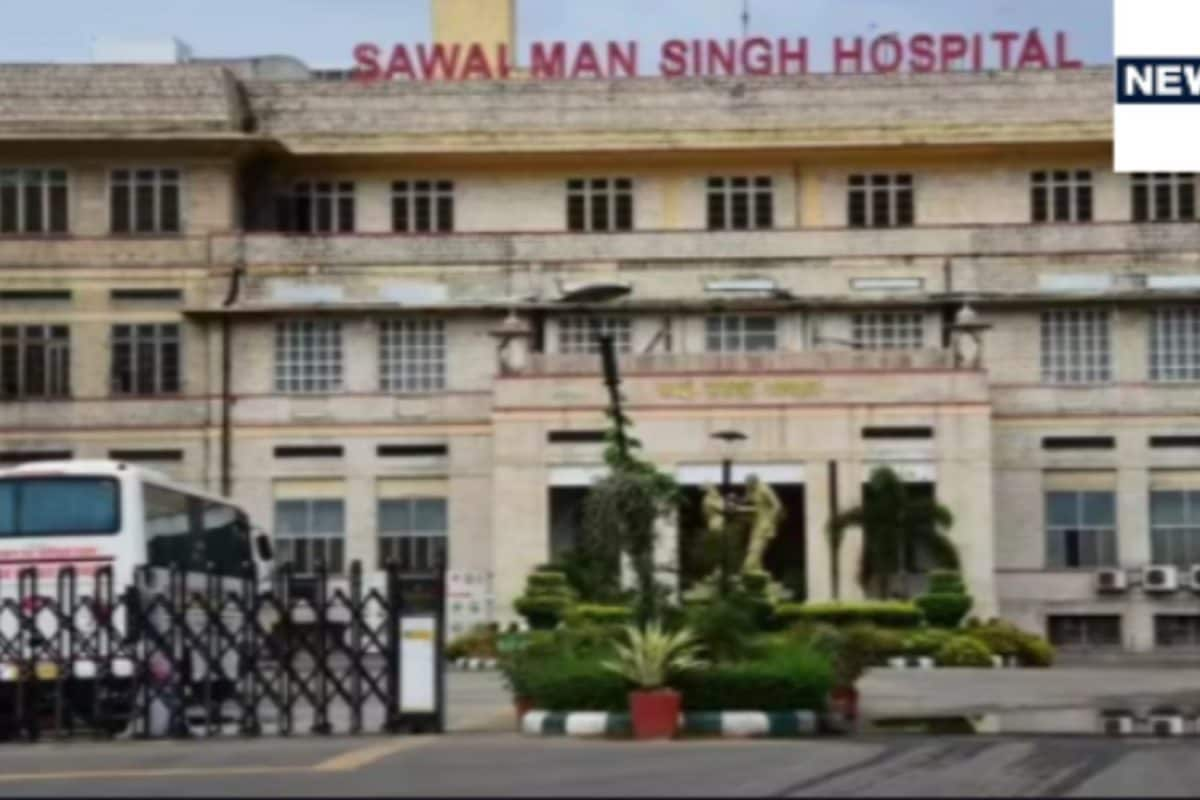
According to official medical reports compiled following the celebrations, a staggering total of 98 people sustained injuries and sought immediate professional assistance. The casualties predominantly comprised accidental burns on hands, torso regions, and severe ocular traumas caused by flying sparks or sudden detonations. The medical administration at the prominent medical facility remained on high alert throughout the night to triage, evaluate, and stabilize the incoming stream of distressed patients.
Healthcare professionals and emergency responders noted that the sudden influx of casualties required immediate deployment of specialized burn units and ophthalmology departments. Medical practitioners emphasized that carelessness during the handling of active explosives frequently leads to permanent physical impairment, particularly among young individuals and minors. Community leaders and civil society organizations have consistently advocated for stricter adherence to safety protocols during such high-risk festive events.
The repercussions of these festive accidents extend well beyond the immediate boundaries of the urban center, resonating through neighboring administrative districts including Kotputli-Behror. Rural and semi-urban families commuting to the regional capital for advanced medical treatments often experience severe logistical strain during festive emergencies. The broader economic and social ramifications highlight the urgent need for communities to re-evaluate traditional celebration methods in favor of safer alternatives.
In response to the recurring surge of festival-related injuries, regional administrative authorities and municipal bodies have repeatedly issued advisories concerning the usage of certified green fireworks and designated firing zones. Law enforcement agencies maintain vigilance to prevent the illegal trade of prohibited explosive substances, although enforcement challenges persist during peak seasonal demand. Administrative machinery continues to balance traditional cultural expressions with statutory public safety mandates.
Looking ahead, health administrators and municipal planners intend to launch more aggressive, year-round educational campaigns to mitigate festive hazards before future celebrations commence. Public health advocates stress that sustained community engagement, combined with uncompromising legal enforcement against hazardous materials, remains essential for preventing avoidable tragedies. The community at large faces a collective responsibility to ensure that future festivals remain a source of universal joy rather than preventable physical suffering.
