
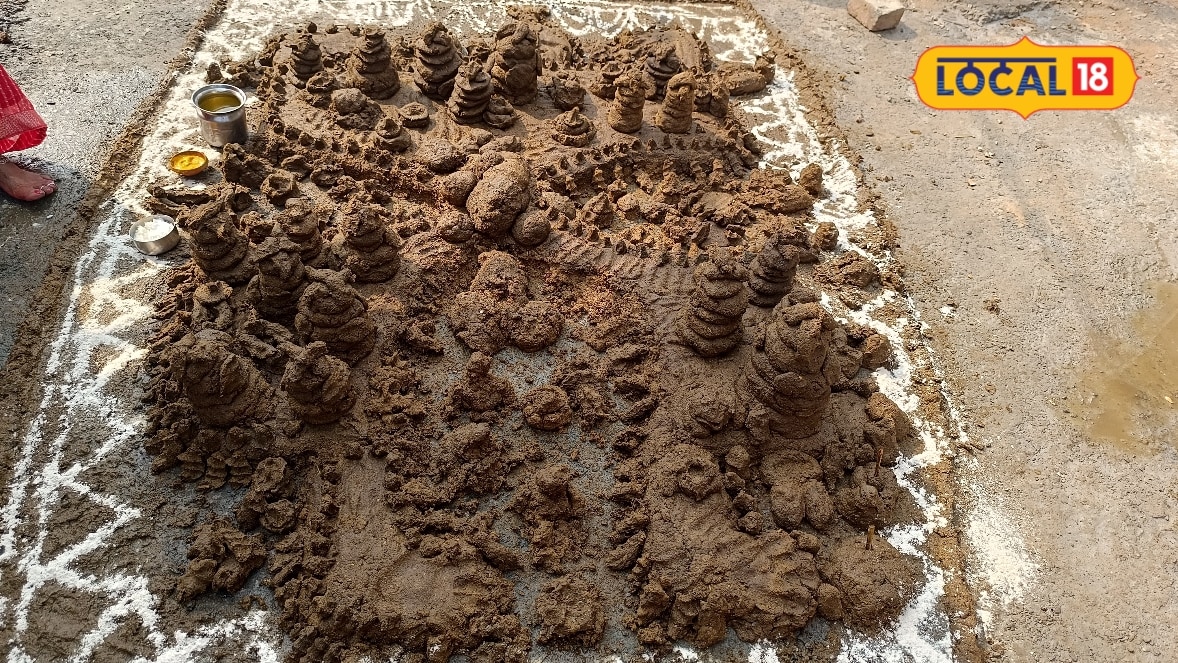
In the rural expanses of Dhaulpur, the celebration of Govardhan Pooja serves as a profound testament to enduring rural solidarity, where traditional cultural practices remain deeply entrenched in daily community life. Year after year, villagers gather with immense religious fervor to honor Lord Krishna through age-old rituals that require extensive community participation. This vibrant festival transcends mere religious observance, functioning instead as a vital social anchor that reinforces collective identity and mutual cooperation among neighboring households.
The historical roots of Govardhan Pooja trace back to ancient agricultural traditions that celebrate the symbiotic relationship between human communities, livestock, and nature. Originating as a homage to the lifting of Mount Govardhan by Lord Krishna to protect pastoral communities from torrential rains, the festival has evolved over centuries into a cornerstone of rural Indian culture. In Dhaulpur, elders pass down these customs meticulously from one generation to the next, ensuring that the symbolic significance of the celebration remains undiluted amidst modern societal shifts.
A striking logistical feature of the celebration in Dhaulpur is the remarkable collaboration observed at the neighborhood level, where more than twenty households actively pool their resources for the central ritual. Women from these numerous families converge at a designated communal space, each bringing fresh cow dung collected from their respective household cattle. This meticulous coordination requires advance planning and collective labor, transforming an ordinary village courtyard into a bustling site of shared cultural heritage and communal artistry.
During the preparations, the collective energy of the participants translates into tangible community bonding, as generations of women work side-by-side to mold and shape the materials. Voices resonate with traditional folk songs dedicated to Lord Krishna, creating an immersive atmosphere of devotion and shared purpose. Community elders and participants alike view this annual gathering as an indispensable mechanism for resolving minor interpersonal friction, strengthening familial alliances, and fostering a robust environment of mutual trust.
While localized primarily in the rustic landscapes of Dhaulpur, the broader cultural resonance of this community-driven festival extends far beyond village boundaries, offering valuable lessons in social cohesion. In districts across Rajasthan, including Kotputli-Behror, similar community-centric celebrations reinforce the economic and social interdependence of rural inhabitants. The collective worship highlights the enduring relevance of pastoral traditions in maintaining ecological awareness and community resilience in contemporary times.
Local administrative bodies and cultural preservation committees often monitor and appreciate these indigenous celebrations, recognizing their role in sustaining intangible cultural heritage without requiring heavy state intervention. Panchayat representatives and community leaders frequently facilitate the smooth conduct of these gatherings by ensuring adequate space and logistical support. Such cooperation underscores a healthy synergy between traditional grassroots practices and local administrative encouragement.
Looking toward the future, community leaders and cultural advocates in Dhaulpur remain optimistic about the preservation of these cherished customs among the younger generation. As urbanization gradually transforms rural dynamics, initiatives to document and actively participate in collective rituals like Govardhan Pooja ensure that ancestral wisdom is not lost. The unwavering enthusiasm surrounding the involvement of multiple households guarantees that the echoes of these devotional traditions will continue to resonate across the region for generations to come.
