
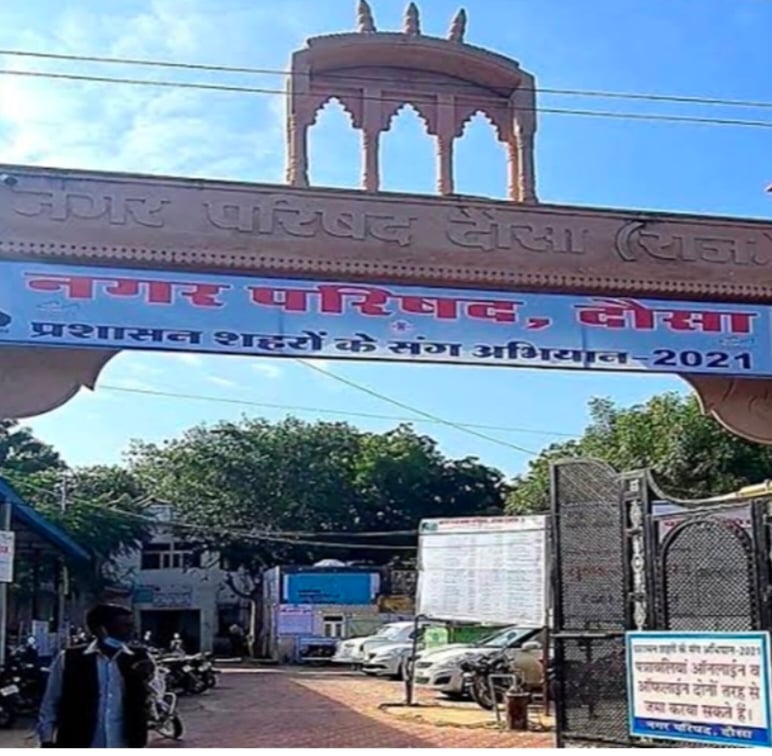
The political landscape in Dausa district has intensified significantly as the scrutiny of nomination papers for the chairperson positions across 11 urban local bodies concludes. Out of the 27 total nomination papers filed by various candidates, a thorough administrative examination has determined that 26 nominations are completely valid and compliant with election guidelines. This rigorous vetting process marks a crucial milestone in the ongoing municipal electoral cycle, setting the stage for highly competitive electoral contests across the various civic bodies within the district boundaries.
Elections for urban local bodies traditionally serve as a vital grassroots democratic exercise, deeply influencing local governance, infrastructural development, and civic amenities. The administrative machinery across Dausa has been operating under strict directives to ensure absolute transparency, fairness, and strict adherence to the established legal framework. Every nomination paper underwent meticulous verification by returning officers and electoral observers to prevent any procedural anomalies and to uphold the integrity of the democratic process from the very outset.
A critical statistical breakdown of the nomination filing phase reveals that a total of 27 aspirants had initially stepped forward to stake their claims for the prestigious chairperson posts across the 11 designated urban bodies. Following the exhaustive scrutiny procedure, 26 candidates successfully crossed the legal and documentary thresholds, while one prominent rejection altered the political equation in a specific jurisdiction. This leaves a focused group of contenders in the electoral fray, heightening the strategic maneuvering among political parties and independent candidates alike.
The most notable development during the scrutiny process occurred in Lavan, where a sharp political controversy arose regarding party symbols and mandatory documentation. The nomination paper filed by Gudna Devi as the Bharatiya Janata Party candidate was officially rejected by the election authorities. The primary grounds for this rejection cited the conspicuous absence of the mandatory authorized AB form, which serves as the definitive legal proof of official party sponsorship. This unexpected setback has triggered intense discussions within local political circles and organizational headquarters.
The administrative ramifications of municipal elections extend far beyond immediate political ambitions, directly impacting local trade, community development funds, and regional economic stability. Citizens and business owners across the municipal areas closely monitor these leadership races, anticipating efficient civic management, better sanitation, improved road infrastructure, and transparent allocation of municipal resources. The outcome of these urban body elections will shape the developmental trajectory of these regions for the foreseeable future.
In response to potential disputes and administrative challenges, district election officials have reinforced protocols to maintain absolute neutrality and maintain law and order. Special vigilance teams have been deployed across sensitive zones to address any grievances arising from the nomination scrutiny phase. The district administration continues to issue clear guidelines to all participating political entities, urging them to strictly follow the Model Code of Conduct and cooperate fully with statutory election officials.
Looking ahead, the electoral calendar moves swiftly toward the withdrawal window and the final allocation of election symbols to the validated candidates. Political parties are now recalibrating their campaign strategies in the wake of the recent developments, particularly addressing the fallout in constituencies experiencing administrative hurdles. As the campaign tempo picks up pace, public expectations remain high for a peaceful, transparent, and democratic electoral contest that truly reflects the mandate of the local populace.