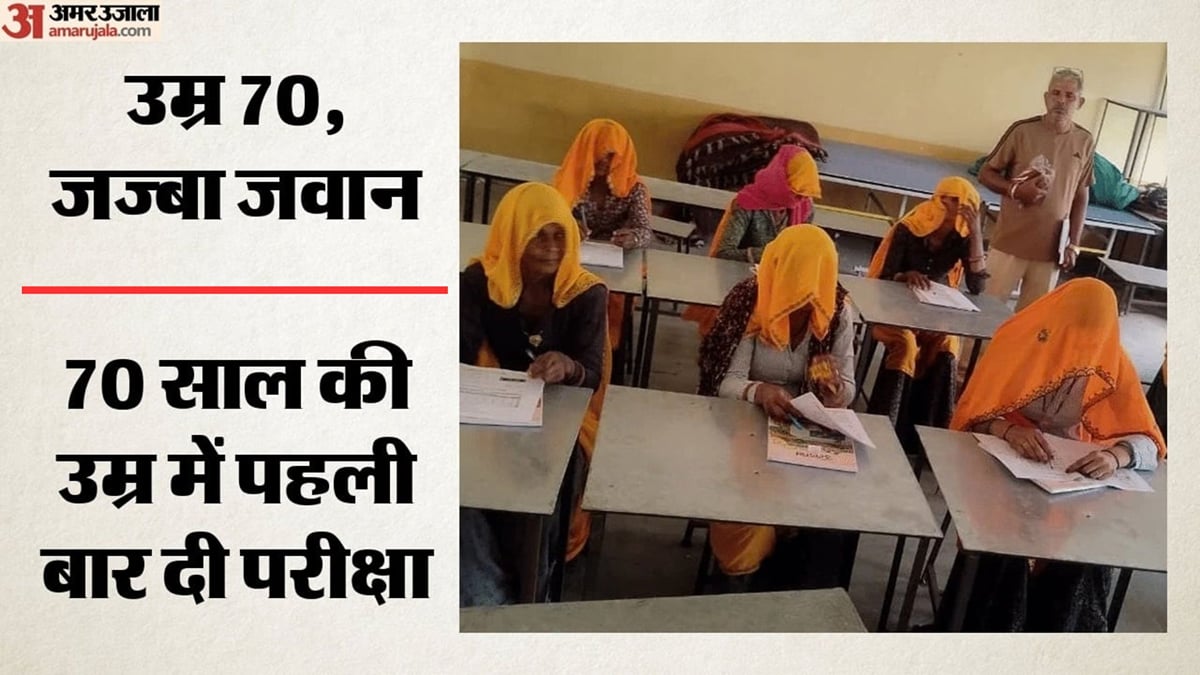
In a historic demonstration of lifelong learning and relentless human spirit, adult learners across the region have shattered conventional barriers to education. Spearheaded by the nationwide educational initiative, elderly citizens who previously relied entirely on thumb impressions are now learning to hold pens and write their own names. This remarkable milestone signifies a profound shift in societal empowerment, ensuring that advanced age is no longer a deterrent to acquiring basic literacy skills.
The current educational drive stems from the broader national commitment to eradicate functional illiteracy among adults who missed formal schooling opportunities during their youth. Historically, marginalized rural populations faced immense socioeconomic hurdles that kept educational resources out of reach. The Ullas-Nav Bharat Saksharta Abhiyan was specifically designed to bridge this historical gap, bringing structured learning environments directly to senior citizens and adults who previously remained untouched by formal educational frameworks.
Ground realities from the assessment centers reveal an inspiring scene of dedication, where grandmothers and elderly patriarchs sat alongside younger volunteer instructors to take their tests. The administrative machinery ensured meticulous planning and execution across all designated testing hubs. Official records confirm that a staggering 35,118 neo-literates successfully participated in this examination cycle, reflecting unprecedented community mobilization and widespread public participation in the district.
Local community leaders, educational coordinators, and volunteer teachers have expressed profound admiration for the sheer determination demonstrated by the participants. Many elderly learners shared moving personal accounts of feeling marginalized due to their inability to read or write official documents. By mastering the ability to write their own names, these individuals have regained personal dignity, autonomy, and newfound confidence when dealing with banks, government offices, and everyday documentation.
The ripple effects of this educational triumph extend significantly into the broader regional framework surrounding neighboring districts, including Kotputli-Behror. Empowering elder citizens with basic literacy directly influences local economic participation, financial inclusion, and social awareness. As families witness their oldest members reading and writing, a culture of education is deeply ingrained across multi-generational households, fostering a more resilient and informed regional populace.
District administration officials and educational authorities have maintained rigorous oversight throughout the curriculum delivery and examination phases. Special provisions, accessible learning centers, and continuous encouragement from grassroots workers ensured that every enrolled adult received adequate support. The seamless coordination between municipal bodies, educational departments, and volunteer networks served as the backbone for this monumental administrative and social achievement.
Looking toward the future, educational planners are already strategizing ways to expand the curriculum beyond basic literacy into financial literacy and digital skills training. The extraordinary turnout of 35,118 neo-literates in Dausa serves as a powerful benchmark for upcoming educational phases across the state. Authorities remain deeply committed to sustaining this momentum, ensuring that every citizen, regardless of age, possesses the fundamental tools required to navigate an increasingly literate world with absolute pride.