
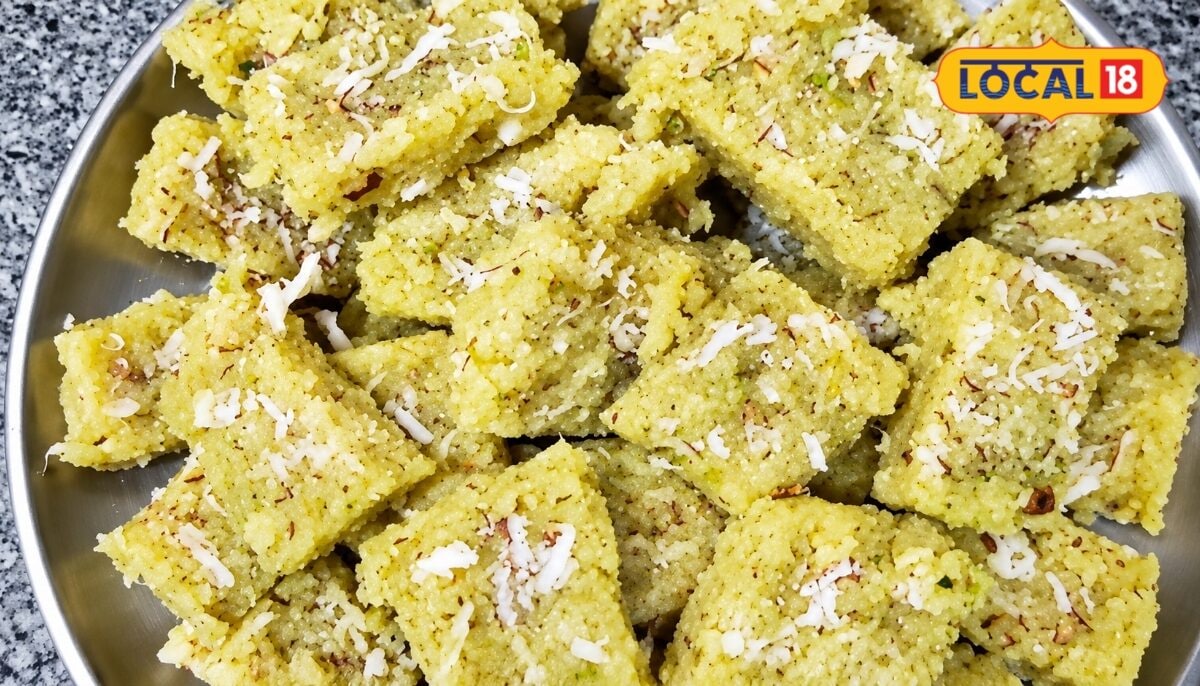
In the heart of Nagaur, culinary arts have taken an exciting turn as local households and cooking enthusiasts explore the delightful preparation of Lauki Mawa Barfi. This innovative dessert elevates the humble vegetable into a rich and savory sweet dish that appeals to all age groups during gatherings and daily meals alike. The formulation of this recipe utilizes accessible everyday ingredients while transforming them into a sophisticated dessert experience.
The traditional roots of preparing sweets from vegetables run deep within the regional heritage of Rajasthan. Culinary practices across Nagaur have long emphasized utilizing farm-fresh produce to create wholesome meals and desserts. By integrating grated bottle gourd with dairy staples, historical cooking methods successfully balance health benefits with decadent flavors, creating a lasting legacy of resourceful kitchen management.
When examining the logistics of preparation, time efficiency remains a crucial factor for modern households. According to culinary guides specific to this regional preparation, the entire cooking process requires merely 30 minutes from inception to final plating. This swift turnaround time makes the recipe exceptionally practical for sudden guests, festive occasions, and busy families seeking homemade sweets without extensive labor.
Local home cooks and dessert makers emphasize that achieving the ideal texture relies heavily on the careful proportioning of key ingredients. The essential components include fresh bottle gourd, pure mawa, rich milk, refined sugar, and an assortment of finely chopped dry fruits. Each element plays a distinct role in balancing moisture, sweetness, and the signature nutty aroma that defines high-quality Indian confectionery.
The regional impact of such traditional recipes extends deeply into the community fabric of the Kotputli-Behror district and surrounding areas, where culinary knowledge is proudly passed down generations. Families frequently exchange these specialized techniques during cultural celebrations, thereby strengthening community bonds and preserving indigenous gastronomic traditions against the tide of commercial processed foods.
Administrative bodies and local cultural councils continuously encourage the documentation and preservation of such indigenous culinary arts through food festivals and community workshops. By promoting authentic regional recipes, authorities aim to highlight domestic self-reliance and the rich heritage of local gastronomy, ensuring that traditional cooking knowledge remains vibrant and accessible to contemporary generations.
Looking toward the future, culinary instructors in Nagaur plan to organize community demonstration camps to teach younger generations the precise art of preparing vegetable-based sweets. These upcoming educational initiatives aim to sustain traditional knowledge timelines, promote healthy home cooking practices, and foster a deeper appreciation for nutritious regional ingredients in everyday domestic life.
