
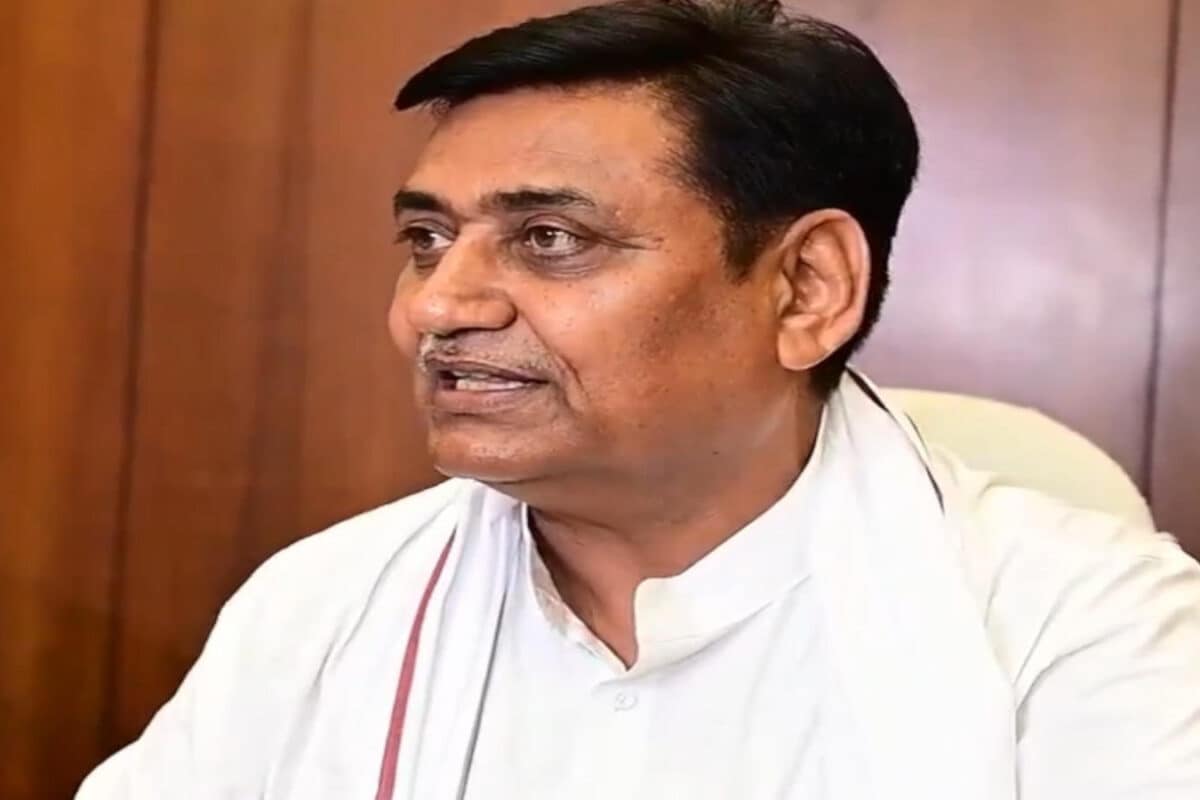
The political landscape of Rajasthan underwent a major transformation following the release of the district pramukh election results on November 25, 2026. The high-stakes electoral contest, which spanned across 37 districts of the state, witnessed an overwhelming mandate for the Indian National Congress. Securing an impressive two-thirds majority in these crucial local governance bodies, Congress reasserted its grassroots political dominance and shifted the regional power dynamics significantly.
Historically, district-level elections in Rajasthan have always served as a critical barometer for the broader political mood of the rural populace. The administrative architecture of the state panchayati raj institutions plays a foundational role in policy implementation at the grassroots level. Consequently, the battle for district pramukh seats is traditionally fiercely contested by all major political parties, viewing these positions as essential stepping stones for regional influence and administrative control.
A rigorous examination of the electoral data reveals the exact distribution of power across the 37 contested districts. The Indian National Congress delivered a stellar performance by capturing an overwhelming 24 seats, crossing the crucial two-thirds threshold required for unchallenged administrative dominance. Meanwhile, the Bharatiya Janata Party (BJP) secured the second position, though exact reporting on their tally indicates 10 seats, with an alternative official report suggesting 9 seats. In addition to the two primary national parties, regional outfits such as BAP and RLP also made their presence felt by securing notable localized victories.
Political analysts, regional stakeholders, and local observers have closely scrutinized these voting patterns to understand the underlying shifts in public sentiment. Representatives from various political factions have offered contrasting interpretations of the electoral outcome, pointing toward changing agrarian dynamics, local developmental priorities, and governance expectations. Citizen groups have emphasized that regardless of party affiliations, the newly elected district pramukhs must immediately prioritize infrastructure development, rural employment, and transparent fund allocation.
Within regional jurisdictions such as Kotputli-Behror and surrounding areas, the outcome of these district-level elections holds direct implications for local economic planning and community development. Local trade bodies, agricultural associations, and municipal administrators are closely monitoring how the newly constituted leadership will address pressing civic issues, road connectivity, and agricultural water distribution. The regional economy is inextricably linked to the administrative efficiency of these panchayati raj bodies.
Administrative authorities and election commissioners have confirmed that the entire electoral process concluded smoothly under strict statutory oversight and security protocols. District administration officials have initiated preparations for the formal oath-taking ceremonies and the subsequent constitution of standing committees within the district councils. Bureaucratic machinery is already aligning itself to ensure a seamless transition of power and uninterrupted public service delivery across all victorious districts.
Looking ahead, the political observers and analysts anticipate a highly competitive political environment as the state prepares for subsequent legislative milestones. The newly elected district pramukhs face the formidable task of fulfilling their pre-election promises within a strict governance timeline. Public expectations remain extraordinarily high, and the accountability of these newly empowered local leaders will be continuously measured against their tangible developmental outputs over the upcoming tenure.
