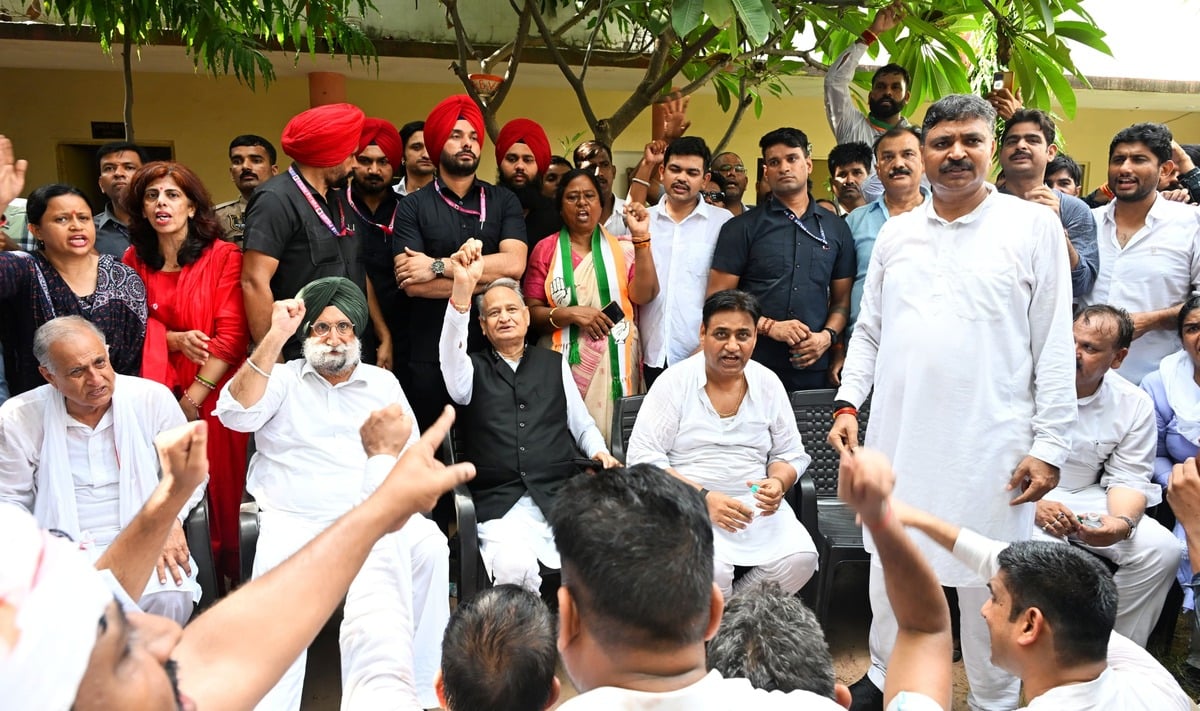
A massive political controversy erupted as prominent leaders of the Congress party organized a high-voltage demonstration targeting the Election Commission, leading to widespread detentions. The protest, which sought to highlight pressing institutional concerns, quickly escalated as law enforcement agencies intervened to detain the participating leaders. The high-tension scenario brought standard administrative functioning and political activism into direct friction within the jurisdiction.
The roots of the current confrontation trace back to growing tensions and persistent allegations surrounding institutional processes and decision-making frameworks. Political opposition groups have increasingly scrutinized the functioning of key autonomous bodies, demanding greater transparency and accountability in governance. This ongoing friction has consistently fueled demonstrations, creating a polarized political atmosphere that resonates deeply among party supporters and regional observers alike.
Amidst the escalating developments, critical figures emerged regarding internal disagreements within the regulatory framework. During the protests, specific administrative anomalies were brought to light concerning the handling of internal dissent. The focal point of the disclosure centered around internal observations that had allegedly failed to secure formal evaluation or redressal despite repeated submissions through official channels.
During the sit-in demonstration staged inside the police station following their detention, former Chief Minister Ashok Gehlot addressed party workers and media personnel. He emphatically stated that two members of the commission had formally registered their objections on fourteen separate occasions regarding contentious matters. Despite these repeated and documented protests raised by the internal members, Gehlot alleged that authorities deliberately chose not to conduct any formal hearings or address the core issues.
The regional impact of these developments has reverberated intensely across the local political landscape, including districts such as Kotputli-Behror. Local party cadres, workers, and citizens closely following the political developments expressed varied opinions regarding the standoff between the opposition and regulatory bodies. The administrative machinery in the district remained on high alert to maintain public order and manage any potential fallout from the state-level political friction.
As the sit-in at the police station progressed, administrative and law enforcement officials maintained a robust security presence to manage the unfolding situation. Dialogue between detained political figures and local authorities continued behind closed doors as officials sought to de-escalate the tension. Statutory guidelines and standard protocols were strictly invoked to handle the detention and subsequent processing of the political leaders involved in the demonstration.
Looking ahead, political analysts and organizational leaders anticipate that this confrontation will likely shape upcoming political strategies and legislative discussions. The persistent questions raised regarding the handling of internal objections at the commission level are expected to trigger broader debates on institutional autonomy. Public expectations remain focused on how regulatory bodies will address these transparency concerns in future proceedings and administrative decisions.