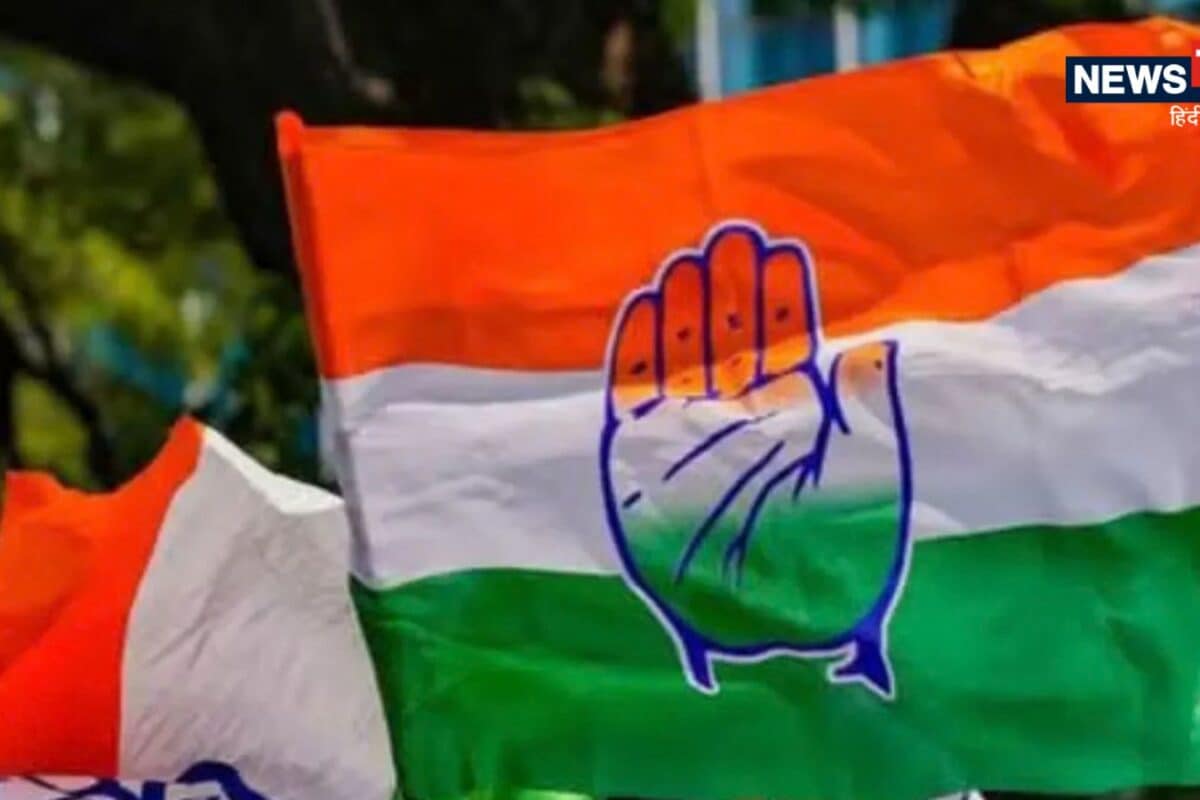
In a major strategic overhaul ahead of the upcoming local governance polls, the Congress party in Rajasthan has formally announced that it will field approximately 75 percent young candidates in the local body elections. This comprehensive decision marks a pivotal shift in the political landscape of the state, signaling an aggressive push to integrate fresh leadership at the grassroots level. Senior party leadership believes that empowering a younger demographic will inject dynamic energy into rural governance and reshape political dynamics across numerous districts.
The announcement regarding this major electoral strategy came directly from senior leader and former Union Minister Bhanwar Jitendra Singh. During a detailed media briefing, Singh elaborated on the meticulous planning and internal deliberations that preceded this decision. The party high command has acknowledged the necessity of rejuvenating local administrative structures by resting electoral trust on energetic and committed youth workers who understand the contemporary aspirations of rural populations.
A cornerstone of this year's electoral strategy is an absolute commitment to transparency and merit-based ticket distribution. Rejecting traditional methods of candidate selection, Singh categorically stated that individual preferences of senior leaders will no longer dictate who receives the party symbol. Instead, the selection process is designed to be completely objective, transparent, and strictly aligned with the authentic voice of the local electorate residing within every single ward of the state.
To ensure absolute fairness and accuracy in candidate selection, the party deployed official observers across multiple regions. Over the past two weeks and more, these dedicated observers conducted extensive ground tours, visiting individual wards, interacting with local residents, and evaluating the ground realities. This exhaustive exercise was undertaken to gauge the true popularity and social standing of aspirants rather than relying on superficial recommendations or closed-room lobbying.
The meticulous feedback gathered by these observers now forms the foundational blueprint for the final candidate list. Every single ward report has been carefully scrutinized to identify winnable faces who possess strong local rapport and proven dedication to public service. By anchoring the distribution of the approximately 75 percent youth tickets directly onto these authentic grassroots reports, the party seeks to minimize internal dissent and maximize electoral success.
As the political machinery gears up for the impending electoral battle, the administrative and organizational focus remains firmly on executing this ambitious formula. Local party units and dedicated volunteers are currently aligning their campaign strategies with the selected young candidates to ensure seamless outreach. The emphasis on youth representation combined with transparent ward feedback is being viewed as a defining administrative and political experiment within the region.
Looking ahead, the successful implementation of this formula will set a critical precedent for future electoral exercises within the state. Public expectations remain high as citizens anticipate a more accountable and vigorous tier of local leadership. As the timeline for candidate announcements draws closer, all eyes in Rajasthan remain fixed on how this ambitious youth-centric and feedback-driven strategy translates into actual electoral outcomes.