
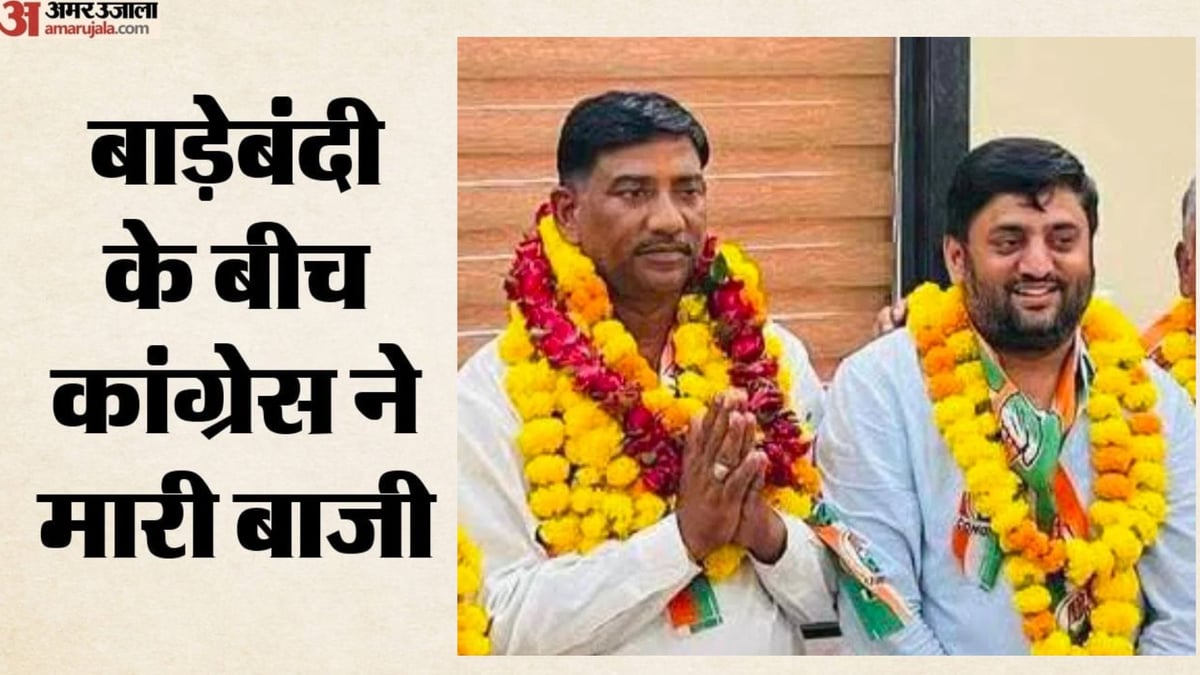
In a dramatic political showdown that extended late into the night, Congress candidate Ramavatar Saini secured a hard-fought victory in the Tijara Municipal Council chairman election, winning by a narrow margin of two votes. The electoral battle, which witnessed intense political friction and high-stakes maneuvering, kept local political observers and party workers on edge as results were finalized deep into the evening hours following a grueling day of democratic exercise.
The run-up to this crucial election was marred by intense controversy surrounding political camps, intense horse-trading fears, and allegations of lodging councilors across the border in Haryana to prevent poaching attempts. Such high-profile preventive measures underline the immense prestige and administrative control associated with the Tijara Municipal Council chairmanship, making every single vote extremely critical for the opposing political factions vying for ultimate supremacy in local governance.
As polling progressed throughout the day, the atmosphere outside and inside the designated voting centers remained exceptionally tense, culminating in extended voting procedures that stretched until 10 PM. The arithmetic of the house was finely balanced, turning every individual vote into a decisive factor that could tilt the scales in favor of either political camp. Ultimately, the meticulous counting process confirmed Congress candidate Ramavatar Saini's victory by the slenderest of margins.
Local political analysts, party functionaries, and citizens closely monitored the developments as allegations of isolating councilors in neighboring Haryana dominated local discourse. While major political parties accused each other of violating democratic norms through unyielding confinement tactics, the elected representatives ultimately cast their ballots to determine the leadership of the civic body.
The outcome of this municipal election carries significant regional implications for the wider Kotputli-Behror district and adjoining administrative zones, where local urban governance directly impacts infrastructural development, municipal resource allocation, and grassroots public service delivery. A closely divided council under the leadership of Ramavatar Saini now faces the monumental task of bridging political divides to focus on urgent civic needs.
Administrative authorities ensured strict compliance with election protocols, deploying adequate security forces around the Tijara municipal office to manage the massive influx of supporters and prevent any potential law and order escalation during the protracted voting and counting phases that lasted until late night.
With the dust finally settling on this high-drama election, the newly elected chairman Ramavatar Saini and the members of the Tijara Municipal Council must now shift their immediate focus toward addressing local developmental challenges, fulfilling electoral promises, and establishing a functional administrative framework that serves the residents effectively.