
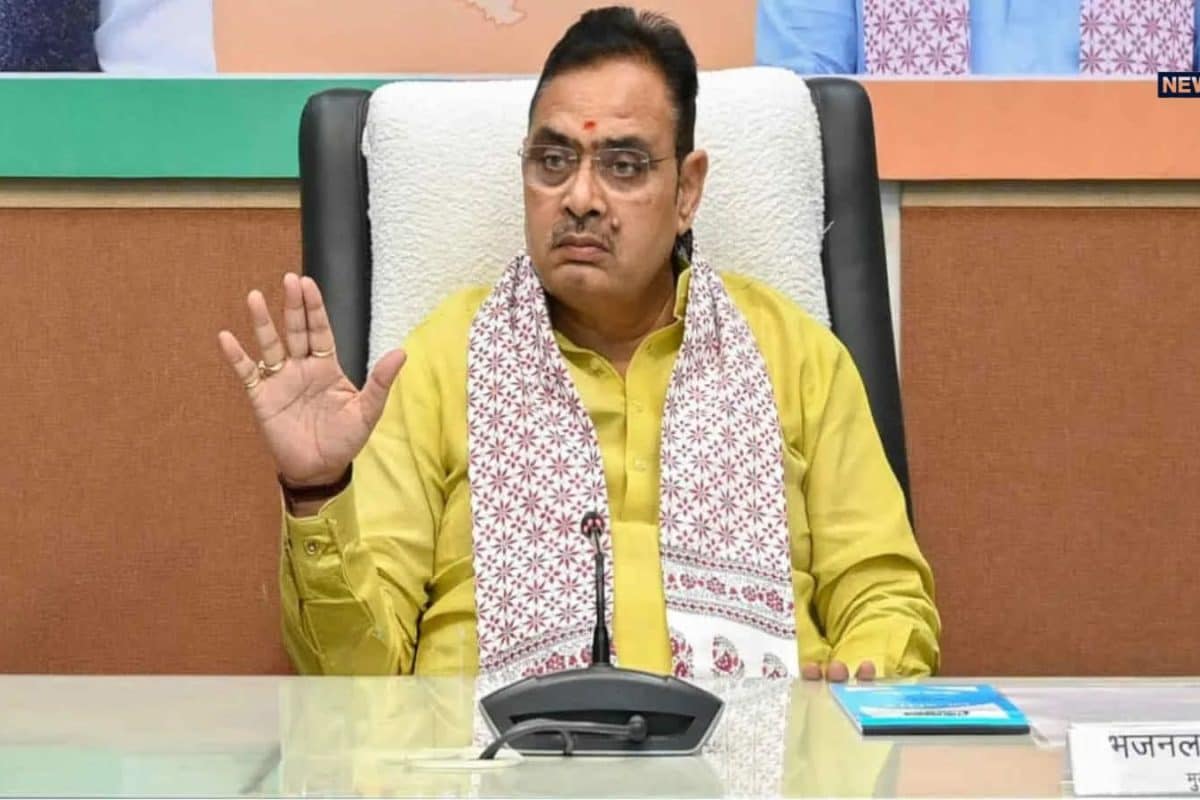
In a major development echoing across administrative corridors in Rajasthan, Chief Minister Bhajanlal Sharma has delivered a severe blow to corrupt elements within the bureaucratic machinery. Demonstrating an uncompromising stance under the state government's zero-tolerance policy, strict punitive measures have been initiated against a total of 33 officials. These administrative actions stem directly from proven allegations of covert collusion with notorious gravel and drug mafias, alongside severe financial irregularities and illegal land conversions that plagued various departments.
The administrative ecosystem in Rajasthan has long grappled with deep-rooted systemic vulnerabilities where local patronage networks enabled illicit operations to thrive unchecked. Historical instances of unholy nexus between regulatory authorities and resource extraction syndicates have consistently undermined state revenue and public safety. Recognizing the gravity of this persistent challenge, the current political leadership resolved to dismantle these clandestine networks by conducting systematic departmental inquiries and holding individuals accountable for institutional failures.
The comprehensive state report highlights exact statistical measures taken during this extensive review. Specifically, the disciplinary framework targeted 33 officials, leading to the withholding of 2 to 4 annual wage increments for 17 serving officers as a direct penalty for professional misconduct. Simultaneously, the state administration ordered the complete blockage of pension disbursements for 16 retired officers who were found culpable of facilitating mafia operations during their active tenure. Furthermore, authorities evaluated a total of 30 specific cases, ensuring rigorous scrutiny while also clearing 8 officers of all charges after exhaustive investigations established their innocence.
Stakeholder perspectives across the state reflect widespread public appreciation alongside intense administrative introspection regarding the far-reaching implications of this decision. Civil society groups, business associations, and honest bureaucrats have voiced strong support for the government's decisive intervention, emphasizing that unchecked collusion between law enforcement and extraction cartels severely harms the socio-economic fabric. Critics and observers note that while punishing wrongdoers is essential, dismantling the foundational infrastructure of these underground syndicates requires sustained vigilance and structural transparency at every administrative tier.
The regional impact of this high-level governmental action resonates deeply within districts such as Kotputli-Behror, where local economies have frequently suffered due to illegal gravel mining and narcotics trafficking. Citizens and local traders in these developing semi-urban zones have long demanded stricter enforcement to curb the predatory dominance of unlawful mafias operating in rural belts. The punitive measures against erring officials serve as a strong deterrent, signaling to local functionaries that dereliction of duty and complicity with criminal elements will attract immediate institutional consequences.
Administrative responses to systemic corruption necessitate robust institutional mechanisms, and the current measures underscore the government's resolve to institutionalize accountability. Statutory oversight bodies and vigilance departments have been directed to expedite pending inquiries related to financial embezzlement and illicit land manipulation. By maintaining a clear distinction between culpable individuals and those exonerated during investigations, the administration has attempted to balance retributive justice with institutional fairness, safeguarding the morale of honest public servants.
Looking toward the future, the state government aims to establish a transparent monitoring framework to prevent recurring episodes of administrative complicity with underground cartels. Upcoming procedures involve digital tracking of land conversions, stricter auditing of resource extraction zones, and enhanced intelligence sharing between law enforcement agencies and administrative branches. Public expectations remain high as citizens await the complete implementation of these corrective reforms, anticipating a cleaner, more responsive, and corruption-free governance structure across all districts of Rajasthan.
