
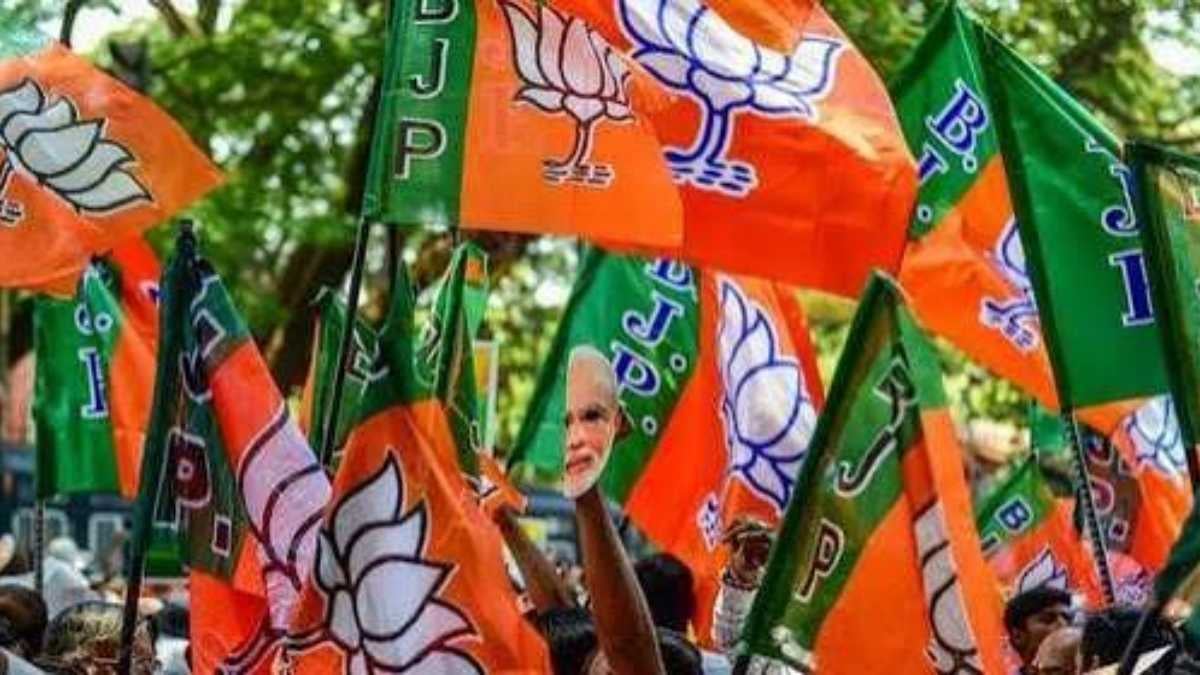
In the aftermath of the fiercely contested panchayat elections across Rajasthan, the ruling Bharatiya Janata Party has initiated a rigorous internal disciplinary inquiry to root out sabotage and anti-party activities. Maintaining absolute organizational discipline is considered paramount by the party high command, especially during critical grassroots elections that dictate local governance and developmental trajectories. The state leadership has continuously monitored reports of internal dissent, leading to direct punitive measures against those found compromising electoral integrity.
The current disciplinary action directly stems from comprehensive ground reports compiled by district observers and senior party functionaries. During the recent panchayat electoral cycles, several disgruntled factions and individual members allegedly worked against the official party candidates, severely undermining the party's collective prospects. This breach of trust triggered widespread concern among loyal party workers, prompting the higher authorities to launch a thorough internal review of the polling patterns and campaign dynamics.
As a direct result of these findings, the party organization has officially targeted two prominent district-level office bearers. Specifically, formal show-cause notices have been issued to Jyoti Chauhan representing the Beawar district and Chotharam Meghwal representing the Pali district. These individuals have been formally accused of gross indiscipline and deliberate sabotage during the crucial voting phases, casting a shadow over their future political affiliations within the organization.
Political analysts and local observers suggest that these punitive steps are intended to send a strong, unequivocal message to all party cadres across Rajasthan. Grassroots democracy relies heavily on unity and synchronized efforts, making internal defiance a critical threat to party stability. Community leaders and senior stakeholders have expressed mixed reactions, with loyalists welcoming the strict administrative oversight while critics debate the long-term political ramifications of such internal friction.
While the immediate epicenter of this controversy remains focused on Beawar and Pali, the administrative ripples are being closely felt in neighboring administrative zones, including Kotputli-Behror. Local political units are re-evaluating their own internal mechanisms to prevent similar uprisings and maintain strict ideological alignment. The regional economic stability and local development initiatives often depend on stable local governance, making party cohesion a vital concern for the broader community.
The administrative machinery of the party is handling these disciplinary procedures with utmost seriousness, ensuring that due process is strictly followed. The accused members have been granted a formal window to present their defense before the disciplinary committee reaches a final verdict. Statutory party guidelines dictate that failure to provide a satisfactory response within the stipulated timeframe will lead to immediate and harsher disciplinary expulsions.
Looking forward, the upcoming five days represent a crucial timeline for both the accused members and the party high command. The formal responses submitted by Jyoti Chauhan and Chotharam Meghwal will determine whether the party moves forward with total expulsions or opts for moderated internal reconciliation. Public expectations remain high as citizens and political watchers anticipate how the leadership will ultimately handle internal dissent in future electoral battles.
