
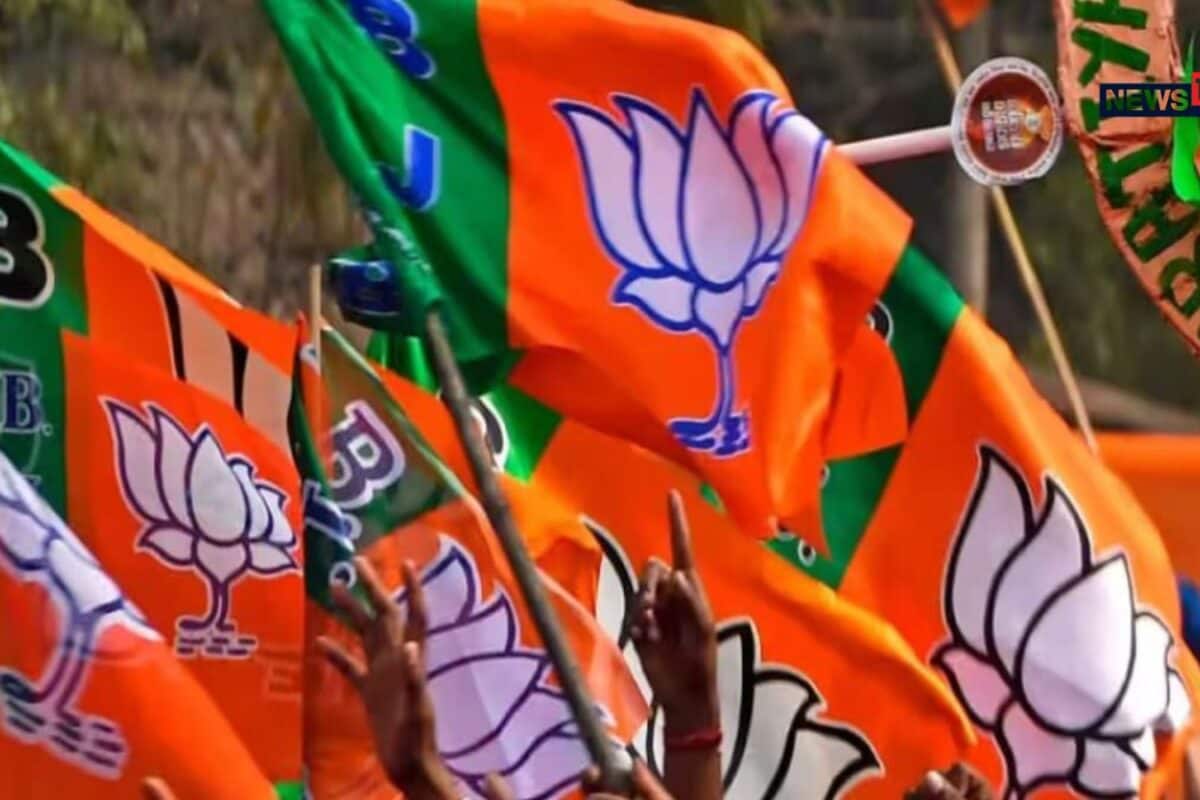
In a decisive and sweeping political development that has significantly altered the municipal landscape of Rajasthan, the Bharatiya Janata Party (BJP) secured a comprehensive triple success in the 2026 municipal corporation elections. Winning all three major urban centers of Jaipur, Jodhpur, and Kota, the ruling party established absolute dominance over local governance structures. This victory comes as a major morale booster for the party cadres and establishes strong administrative alignment between state governance and urban local bodies.
The electoral battlegrounds of Jaipur, Jodhpur, and Kota have historically been fiercely contested arenas, reflecting the shifting urban mood of the state. Over the past several years, municipal governance in these cities has faced numerous administrative challenges, including infrastructural demands, sanitation management, and resource allocation. The 2026 elections were therefore viewed by political analysts as a critical referendum on local urban management and the effectiveness of municipal service delivery systems.
Delving into the specifics of the electoral outcomes, the numbers highlight the absolute nature of the BJP's triumph across all three districts. In the capital city of Jaipur, candidate Sunil Kothari registered a historic victory by securing an impressive 89 votes, thoroughly outclassing the opposition and cementing the party's stronghold. Similarly, in the Jodhpur municipal corporation, BJP candidate Prasanna Mehta established a commanding lead by garnering 53 votes, effectively neutralizing any concerted challenge from the Congress party.
Meanwhile, the electoral contest in Kota proved to be particularly dramatic, drawing intense scrutiny from political observers across the state. In Kota, BJP candidate Anusuiya Goswami emerged victorious by securing 65 votes against Congress contender Sunita Suman. Reports from the floor revealed that four Congress corporators resorted to cross-voting in favor of the BJP, delivering a severe blow to the opposition's internal unity and exposing profound strategic vulnerabilities within their ranks.
The repercussions of these municipal election results extend far beyond the metropolitan limits of Jaipur, Jodhpur, and Kota, resonating strongly within surrounding administrative zones such as the Kotputli-Behror district. Local businesses, trade associations, and civic communities are closely monitoring these developments, anticipating enhanced coordination between municipal bodies and district administration for better urban planning, commercial infrastructure development, and localized economic growth.
Following these decisive election results, administrative authorities have initiated formal procedures to facilitate the smooth transition of power and the official assumption of office by the newly elected mayors. Statutory oversight committees are reviewing municipal protocols to ensure uninterrupted public service delivery, transparent budgetary allocations, and adherence to urban development guidelines as mandated by the state municipal act.
Looking ahead, the newly constituted municipal leaderships in Jaipur, Jodhpur, and Kota face formidable expectations from urban residents regarding infrastructure modernization, public utility management, and civic accountability. As Sunil Kothari, Prasanna Mehta, and Anusuiya Goswami prepare to take charge, political analysts and citizens alike will be watching closely to see how effectively the administration translates this sweeping electoral mandate into tangible urban development and improved quality of life.