
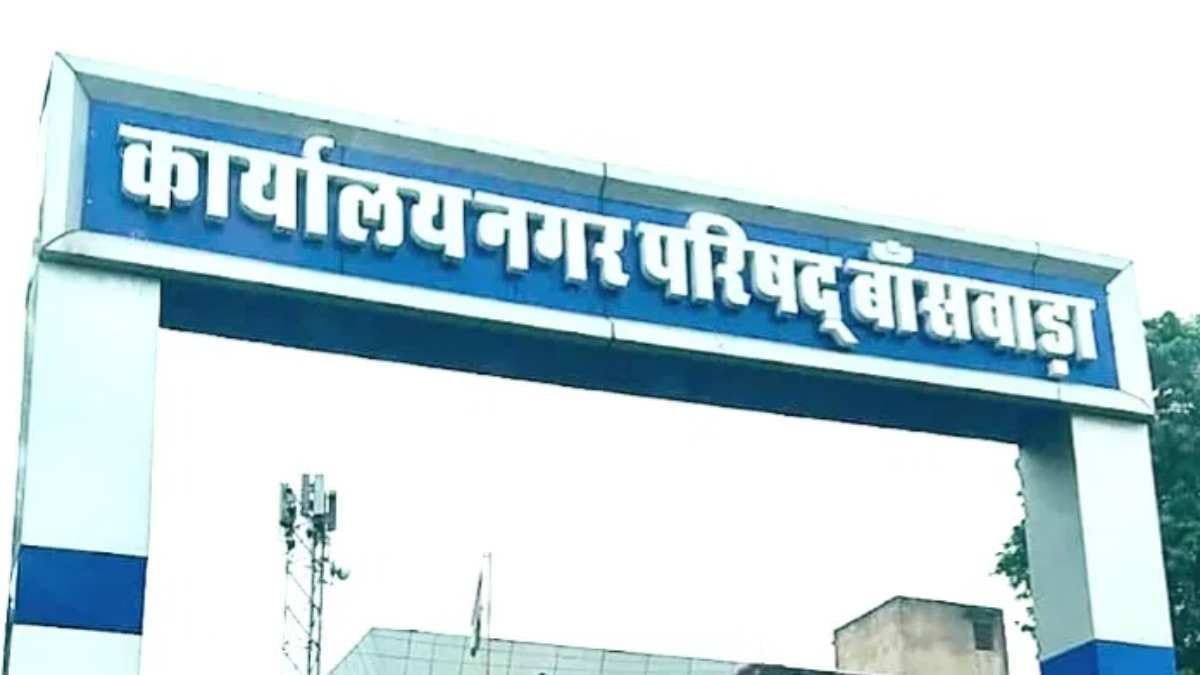
In a significant political development from the southern region of Rajasthan, the Bharatiya Janata Party has emerged victorious in the fiercely contested Banswara municipal council elections. Securing an absolute majority, the party has established its firm grip over local governance, reflecting a shifting political tide within the municipal limits. Political observers and analysts have closely monitored this electoral battle, which culminated in a decisive mandate from the urban electorate.
The electoral landscape of Banswara has historically been a crucible of intense political rivalry among various regional factions and major national parties. Over successive election cycles, the contest for municipal supremacy has served as an important bellwether for grassroots political sentiment. The recent campaign witnessed aggressive door-to-door outreach, high-profile rallies, and strategic mobilization of community leaders across all competing political platforms.
Delving into the electoral arithmetic, the newly declared results show that out of the total 60 wards that went to polls, the Bharatiya Janata Party has successfully captured 34 wards. This numbers game guarantees the party the requisite numerical strength to unilaterally form the municipal board without relying on external post-poll alliances or independent councillors, thereby solidifying its administrative autonomy.
Following the confirmation of the numerical triumph, internal party deliberations have intensified dramatically. The focus has now shifted from the general ward results to the high-profile race for the municipal chairman position. Party functionaries, senior leaders, and elected representatives are currently engaged in extensive consultations to forge a consensus on leadership.
Although the administrative boundaries and geographical scope of Banswara remain distinct, the ripples of this municipal victory resonate across the broader administrative framework, influencing political dynamics throughout neighboring districts, including Kotputli-Behror. Local economic stakeholders, traders, and residents are hopeful that a stable municipal board with a clear majority will expedite pending urban development projects, infrastructure upgrades, and fiscal governance reforms.
Administrative machinery and statutory election authorities have maintained rigorous oversight throughout the electoral process to ensure absolute transparency and adherence to model code guidelines. District officials are presently preparing the official gazette notifications and setting up the procedural framework for the upcoming oath-taking ceremony and the formal election of the chairman.
As the political dust settles, all eyes remain fixed on the unfolding rivalry between the two principal contenders, Rawat and Rana, who have emerged as frontrunners for the prestigious chair. The final decision by the party high command and local leadership will not only determine the administrative head of the municipal council but will also set the tone for governance and municipal delivery in the years ahead.