
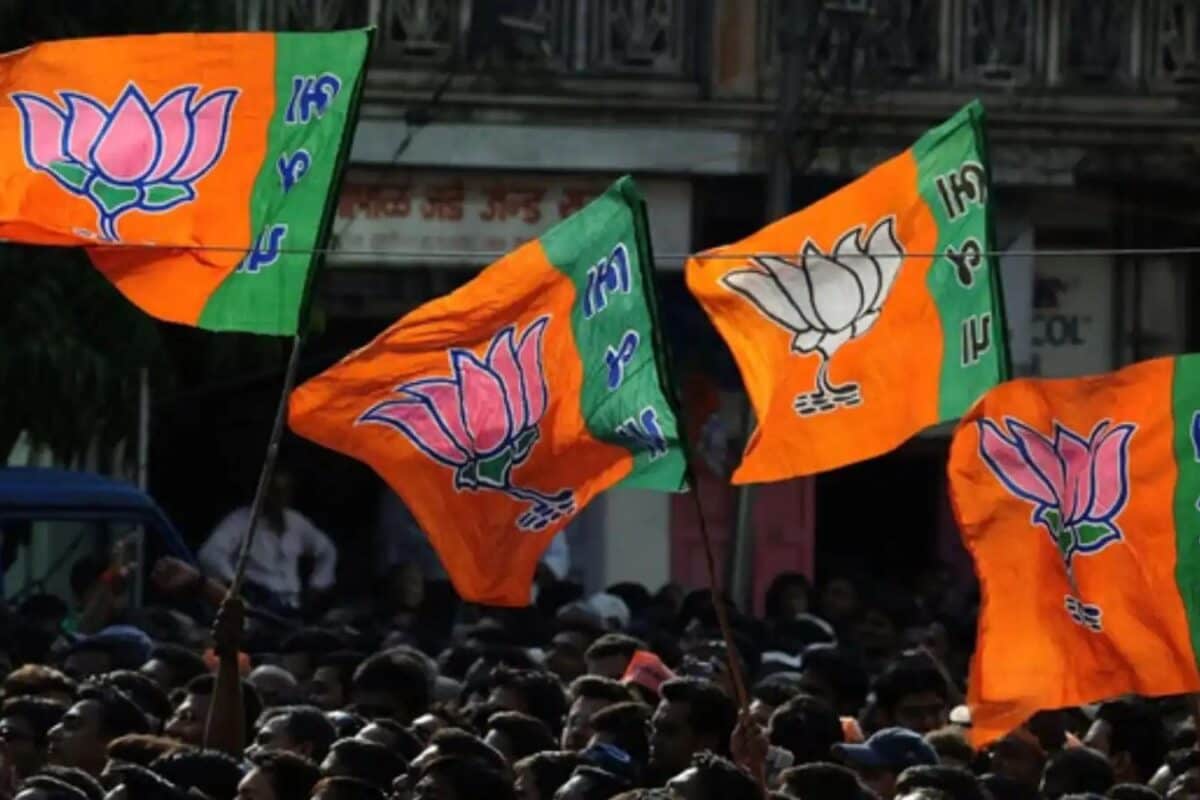
In a major political development concerning the upcoming rural local body polls, the Bharatiya Janata Party has officially released its candidate list for the Jaipur Zila Parishad elections in 2026. As part of the ongoing preparations for the Panchayat Raj elections, the party leadership has announced names for 55 out of the total 57 wards across the district. This strategic release sets the stage for a high-stakes electoral battle in rural Jaipur, mobilizing party cadres and initiating intensive grassroots campaigning.
The announcement follows weeks of meticulous deliberation, internal surveys, and candidate screening processes conducted by senior party functionaries and district election committees. Historically, the Zila Parishad elections hold immense significance for political parties in Rajasthan, serving as a barometer for rural sentiment and grassroots political influence. The party structures have been working diligently to balance regional aspirations, social equations, and historical voting patterns while finalizing these names.
A critical examination of the released list reveals that nominations have been distributed across various reserved and unreserved categories in strict compliance with state election guidelines. The announced candidates represent a diverse demographic spectrum, including general category, general female, Other Backward Classes (OBC), OBC female, Scheduled Castes (SC), SC female, Scheduled Tribes (ST), and ST female categories. Every ward's candidate selection strictly aligns with the constitutionally mandated reservation roster applied to that specific local jurisdiction.
While the vast majority of the electoral map has been finalized, party insiders note that consensus on certain complex constituencies requires additional consultation. Consequently, the candidate selections for ward 33 and ward 56 have been kept strictly under consideration and will be announced in due course after resolving internal local dynamics. District leaders and ticket aspirants have been actively engaging with community elders, local trade bodies, and agricultural representatives to gauge ground realities and finalize unified campaign strategies.
The political reverberations of these panchayat elections extend significantly into surrounding regional zones, including the newly formed districts like Kotputli-Behror, where rural development policies and local infrastructural projects dominate public discourse. The outcomes of these Zila Parishad elections directly influence the distribution of development funds, execution of central and state welfare schemes, and the overall socio-economic progress of farming communities and rural enterprises residing in the wider metropolitan and semi-urban periphery.
On the administrative front, the district election authority and statutory oversight committees maintain strict vigilance over the implementation of the model code of conduct and campaign expenditure limits. Authorities have urged all political entities and nominated candidates to adhere strictly to electoral guidelines, ensuring peaceful, transparent, and fair polling procedures throughout the election cycle. Local law enforcement agencies have also stepped up security arrangements at sensitive polling booths and collection centers.
Looking forward, the publication of this candidate list initiates the intense phase of public campaigning, door-to-door outreach, and rigorous public debates leading up to the voting day. Citizens, community leaders, and local voters anticipate robust policy debates centered on rural infrastructure, drinking water availability, educational facilities, and agricultural support systems. The final electoral outcome will undoubtedly shape the local governance landscape of Jaipur and its neighboring rural ecosystems for the next five years.
