
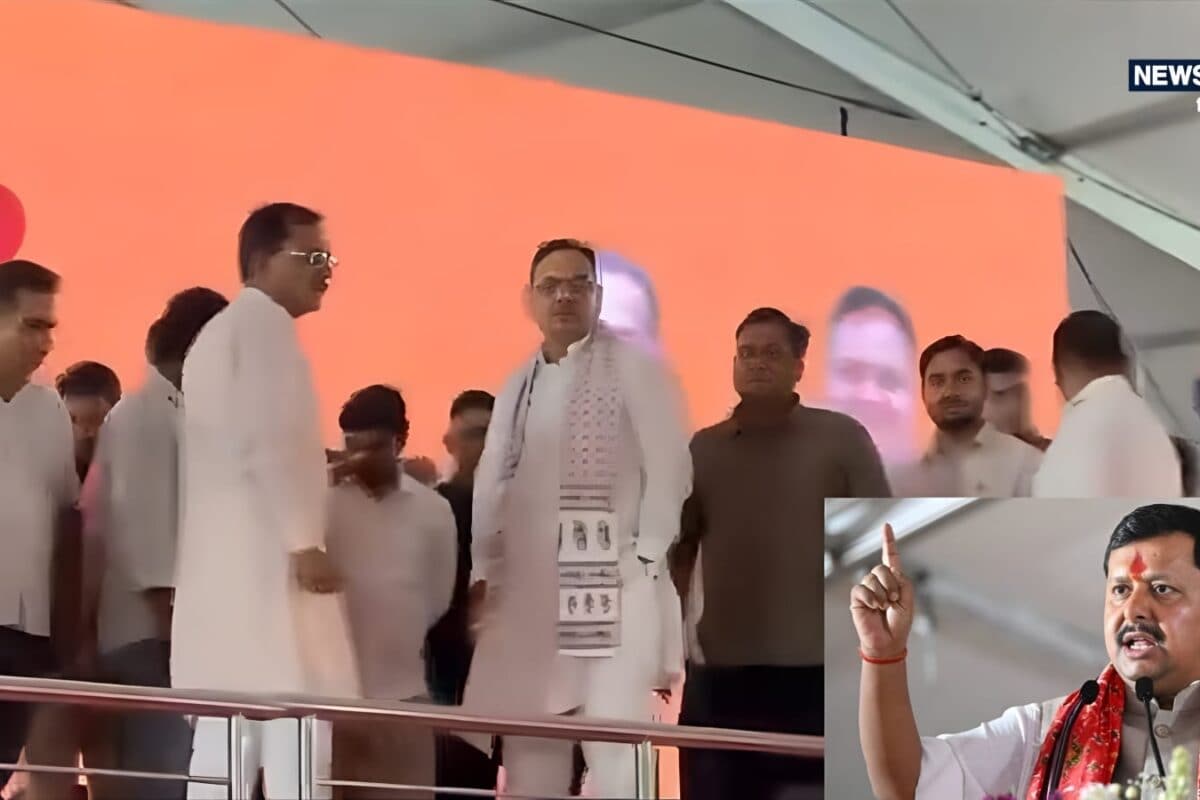
Bharatiya Janata Party leader Nitin Navin has arrived in Jaipur to spearhead a comprehensive strategic review focusing directly on the upcoming panchayat elections in Rajasthan. His high-profile visit marks a critical juncture for the ruling party as leadership gears up to evaluate grassroots preparedness, organizational coherence, and electoral mobilization across all districts. The political climate in the state has grown notably intense as local bodies and panchayat institutions prepare for major electoral battles.
The organizational history of the party in Rajasthan reflects a systematic approach toward strengthening rural democracy through structured booth-level management and active public outreach. Over the past several election cycles, the party has consistently emphasized the consolidation of its support base in rural and semi-urban constituencies. The current visit by Nitin Navin builds upon this strategic tradition, aiming to align local legislative leadership with overarching organizational objectives ahead of the panchayat polls.
A rigorous itinerary has been meticulously planned for the visiting leader, featuring crucial consultations with members of parliament, members of the legislative assembly, divisional incharges, co-incharges, and members of the panchayat raj election steering committee. These closed-door sessions are designed to assess logistical readiness, resolve internal coordination challenges, and strategize campaign messaging tailored specifically to rural voters and local civic issues.
Stakeholders across the party apparatus have expressed immense enthusiasm regarding the visit, viewing it as a decisive catalyst for energizing party cadres. Local representatives and organizational workers note that direct interactions with senior central leadership provide essential clarity and motivation. Discussions during these meetings are expected to address community development priorities, administrative bottlenecks, and effective implementation of welfare schemes at the grassroots level.
The regional impact of these high-level deliberations extends significantly into surrounding districts, including the Kotputli-Behror region, where local administrative bodies and rural communities closely monitor political developments. The outcomes of these strategic sessions will directly influence local governance frameworks, development funding allocations, and community engagement strategies across rural belts, deeply affecting the day-to-day administrative machinery and local economic priorities.
Administrative oversight and statutory preparations for the upcoming panchayat elections are proceeding concurrently with these political consultations. District administrations and election officials are reviewing electoral rolls, polling station logistics, and security protocols to ensure a transparent, fair, and orderly democratic exercise. The political leadership's focus on mobilization complements the official machinery's mandate to maintain rigorous compliance with electoral guidelines.
Looking forward, the political and administrative trajectory points toward an intensely contested electoral season across Rajasthan. Nitin Navin's itinerary includes participating in a morning cleanliness and service program at Albert Hall, holding a dialogue at the Chief Minister residence, attending a local body representatives conference and Pandit Deendayal Upadhyaya birth anniversary event in Dadia, and flagging off ninety publicity chariots. The day concludes with an interactive session with youth at Birla Auditorium before departing for Delhi, setting a decisive tone for the impending electoral campaign.