
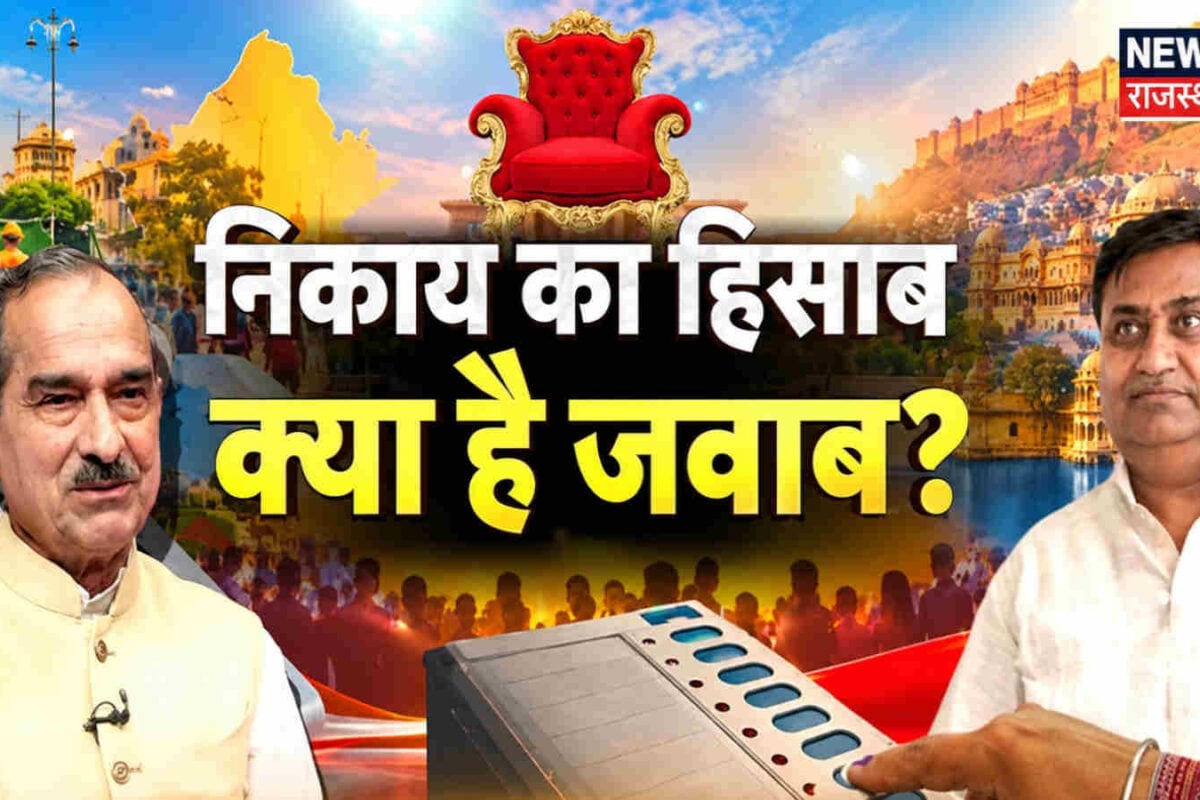
The political landscape of Rajasthan witnessed a significant development during the Bikaner Municipal Corporation mayoral elections in the year 2026. The Bharatiya Janata Party faced a notable setback as it failed to secure the required numbers to establish its board within the corporation. This outcome brought considerable attention to the administrative and floor management capabilities of the party in comparison to other municipal bodies across the state.
Historically, municipal elections in Rajasthan carry immense political significance, acting as a barometer for regional influence and urban governance. The Bikaner Municipal Corporation has traditionally been a crucial battleground for major political parties. The political dynamics in Bikaner have always required meticulous planning, alliance building, and careful handling of independent representatives to achieve a stable governing board.
As the election proceedings unfolded, the Congress party maintained a distinct advantage due to holding a clear majority among the councilors. In contrast, the Bharatiya Janata Party faced severe limitations in its floor management, which proved to be significantly weaker than anticipated. Observers noted that the organizational machinery struggled to bridge the numerical gap required to challenge the opposition effectively.
A critical turning point in the electoral narrative involved the positioning of independent councilors. Prior to the final voting, assertions were made regarding independent councilors potentially aligning with the Bharatiya Janata Party. However, as the legislative session progressed, these claims failed to materialize on the ground, leaving the party's expectations unfulfilled and exposing miscalculations in their strategic outreach.
The broader implications of these municipal dynamics extend across the region, including administrative considerations in districts such as Kotputli-Behror. Local economic stakeholders, traders, and residents closely monitor urban governance stability, as municipal boards directly oversee civic amenities, infrastructure development, and local trade regulations. Political friction at the municipal level often translates into administrative delays affecting public service delivery.
Administrative oversight and statutory frameworks played a pivotal role in ensuring that the electoral process adhered strictly to established norms. Returning officers and municipal commissioners managed the session under stringent guidelines to prevent any procedural anomalies. The smooth conduct of the administrative proceedings ensured transparency, even as political tensions ran high among the competing factions.
Looking forward, the outcome of the Bikaner Municipal Corporation elections sets a compelling precedent for upcoming urban local body procedures across Rajasthan. Political parties are expected to recalibrate their grassroots strategies and floor management techniques. The public and local communities now anticipate focused developmental work from the newly established board, emphasizing accountability and efficient urban administration in the times ahead.