
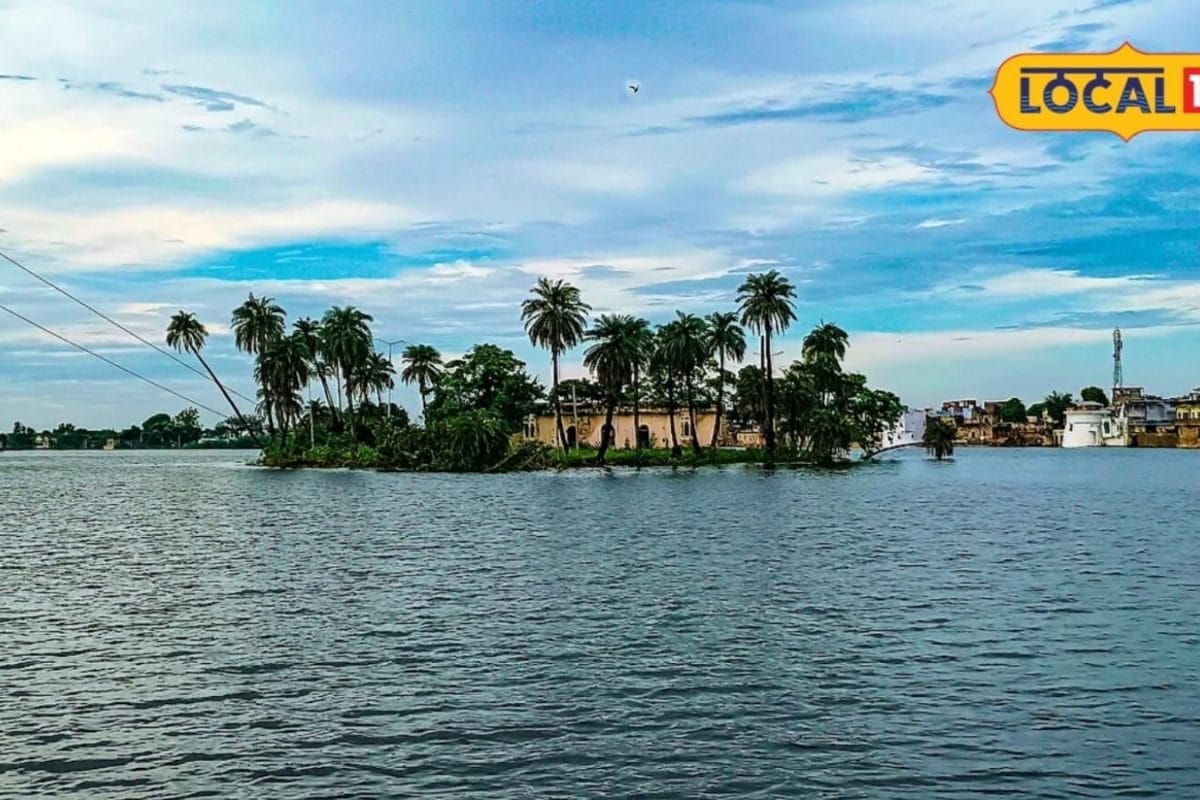
In the vibrant landscape of Rajasthan, the historical and ecological significance of regional water bodies continues to capture the attention of nature enthusiasts and heritage researchers alike. Situated prominently within Shahpura in the Bhilwara district, the renowned Pivania Talab stands as a magnificent testament to natural beauty, architectural heritage, and historical continuity. This remarkable site has increasingly become a focal point for travellers seeking an authentic connection with the region's diverse ecological and geographical offerings, drawing visitors from far and wide to witness its serene environment.
Historically, the primary function of Pivania Talab was to serve as a crucial lifeline for the local population, fulfilling the essential water requirements of the ancient town and its surrounding settlements. Over the centuries, the water body transitioned from a purely utilitarian civic infrastructure into a vibrant cultural and ecological ecosystem. The rich heritage embedded within the site reflects the traditional water management wisdom of historical planners who integrated sustainability with community survival, creating a legacy that continues to benefit the region today.
The current ground reality of Pivania Talab is characterized by an extraordinary abundance of blooming lotus flowers that cover significant portions of the water surface, creating a mesmerizing visual spectacle for all visitors. During the winter months, the ecological dynamics of the location experience a dramatic enhancement with the arrival of numerous species of migratory and resident birds. These avian populations engage in lively activities across the water, transforming the wetland into a bustling haven for ornithologists, wildlife photographers, and nature lovers seeking tranquillity.
Local stakeholders, community leaders, and tourism advocates have consistently emphasized the immense cultural and historical value preserved within the various architectural features surrounding the water body. Prominent landmarks such as the central Bagru Tapu, alongside historic waterfront access points including Mana Ghat, Noor Ghat, Lal Ghat, and Ravla Ghat, serve as tangible links to the glorious past of Shahpura. These structural elements provide deep insights into the architectural preferences and community life of earlier eras, enriching the overall visitor experience.
Beyond its immediate visual and historical appeal, the preservation and promotion of Pivania Talab hold substantial implications for the broader regional economy and tourism sector. By positioning this site as a premier eco-tourism destination, local authorities and community initiatives can stimulate sustainable economic growth, encourage regional hospitality services, and foster greater appreciation for natural conservation among the general public, thereby strengthening the socio-cultural fabric of the area.
Administrative oversight and local municipal efforts remain critical in maintaining the pristine condition of Pivania Talab and protecting its delicate flora and fauna from environmental degradation. Stakeholders continuously advocate for robust conservation frameworks, waste management protocols, and infrastructural maintenance around the historic ghats and island to ensure that the ecological balance is preserved without compromising the accessibility of the site for responsible tourists and researchers.
Looking forward, the long-term outlook for Pivania Talab hinges upon coordinated collaborative efforts between governmental bodies, heritage conservationists, and local residents to market the destination effectively while safeguarding its ecological integrity. As public awareness regarding indigenous biodiversity and historical tourism grows, this treasured landmark in Shahpura is well-positioned to serve as a shining model of sustainable heritage tourism for generations to come.
