
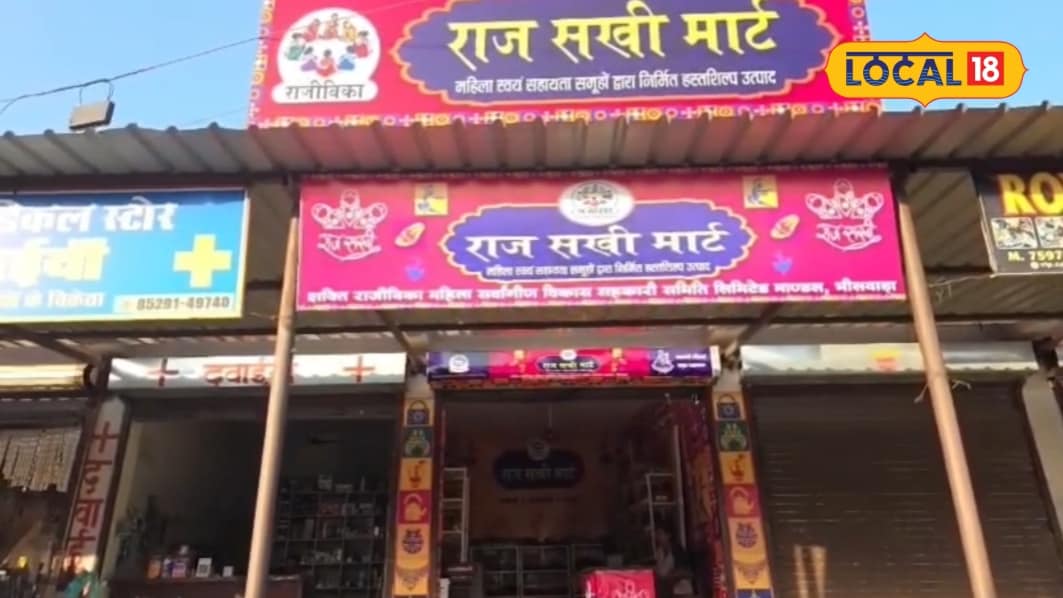
In an important development for rural entrepreneurship, a new commercial platform named Raj Sakhi Mart has officially commenced operations in Bhadali Kheda, located within the Bhilwara region. Operating under the administrative framework of Rajeevika, this dedicated retail outlet is designed to provide rural women with a robust and sustainable marketplace to showcase and sell their indigenous products. The initiative marks a significant milestone in structured efforts to promote women empowerment and financial independence across the local landscape.
The conceptualization of the Raj Sakhi Mart stems from ongoing developmental strategies aimed at bridging the gap between rural producers and urban or semi-urban consumer bases. Historically, rural artisans and women entrepreneurs faced persistent challenges in securing stable market access, often depending on unorganized channels or middlemen to sell their handmade commodities. By institutionalizing a designated retail space, the program seeks to eliminate logistical hurdles and ensure that the actual creators of these goods receive fair economic returns for their labor and craftsmanship.
At the newly established mart in Bhadali Kheda, visitors and prospective buyers can explore a diverse array of items meticulously crafted by women associated with Rajeevika self-help groups. The inventory includes traditional homemade pickles, aromatic spices, and eco-friendly jute bags, alongside various other daily utility goods produced locally. While specific financial statistics regarding initial turnover have not been formally released, the operational setup represents a fully functional retail environment catering to diverse household needs under a single roof.
As awareness surrounding the Raj Sakhi Mart continues to spread across Bhilwara, consumer footfall and public interest have shown a steady upward trajectory. Local residents visiting the establishment have expressed appreciation for the quality and authenticity of the available goods, noting that purchasing directly from the mart contributes to the socioeconomic upliftment of rural families. Traders and participating women report positive early trends, indicating that consumer confidence in Rajeevika-backed initiatives remains robust within the region.
The broader regional implications of the Bhadali Kheda project extend far beyond immediate commercial transactions, serving as a replicable model for local economic stimulation. By strengthening community-level production and consumption cycles, initiatives of this nature contribute substantially to the grassroots economy of the Bhilwara district. Observers note that empowering women with dedicated commercial spaces fosters financial resilience, which in turn enhances household welfare and educational opportunities for the next generation.
Administrative oversight and institutional support remain critical components in ensuring the long-term viability of the Raj Sakhi Mart. Authorities associated with Rajeevika continue to monitor logistical operations, provide necessary capacity-building training to participating women, and facilitate quality control measures to maintain high market standards. Such structured administrative backing helps safeguard the interests of rural producers while ensuring that consumer expectations for product reliability are consistently met.
Looking toward the future, stakeholders anticipate that the success of the Bhadali Kheda mart will pave the way for similar ventures across neighboring areas. Plans involving extended promotional campaigns and broader supply chain integrations are currently under consideration to sustain public interest and expand the consumer base. As the marketplace establishes a permanent foothold in Bhilwara, it stands as a testament to the transformative potential of grassroots organization and women-led economic development.
