
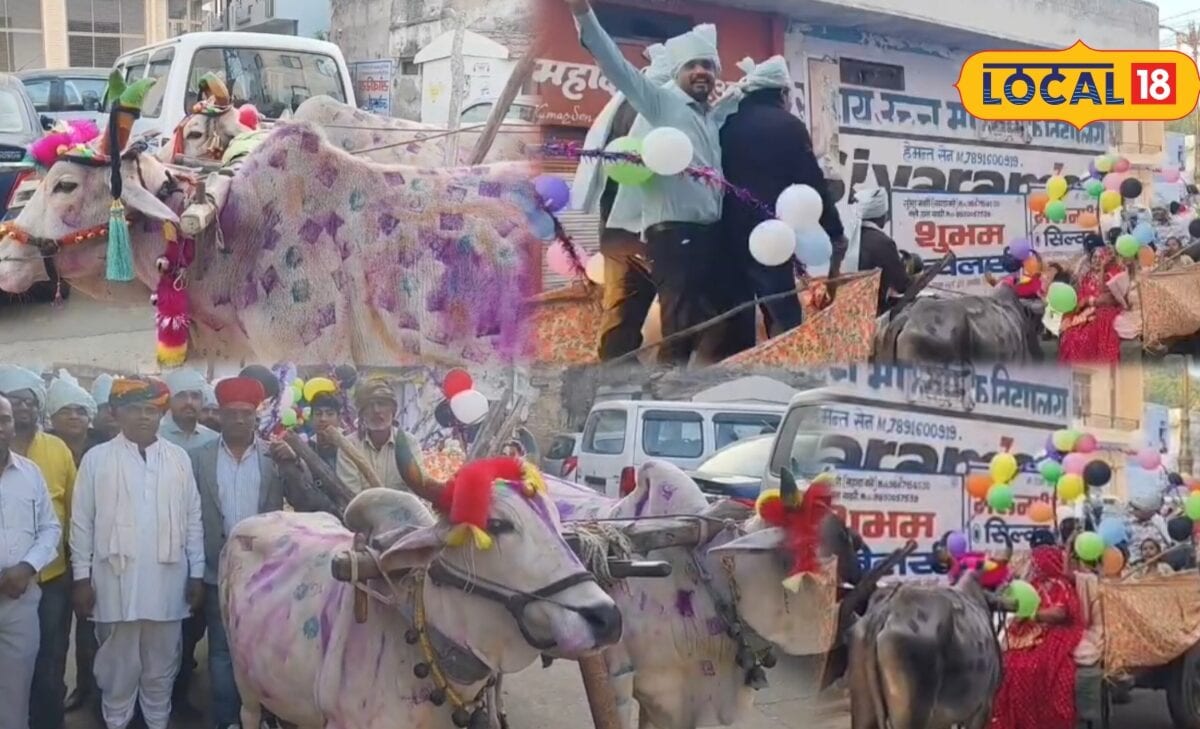
In an era where modern weddings are increasingly defined by grand displays of wealth, long fleets of luxury cars, and extravagant processions, one family in Bhilwara has chosen a remarkably different path. Demonstrating a profound commitment to ancestral customs and simplicity, a local family organized their son's wedding procession entirely using traditional bullock carts. This distinctive approach immediately drew the attention of onlookers and community members, offering a refreshing departure from contemporary materialistic trends.
The cultural backdrop of this decision is deeply rooted in the desire to preserve ancient Indian traditions that are rapidly fading in the modern socio-economic landscape. Historically, rural weddings in the region relied heavily on indigenous modes of transport, which fostered a close connection with nature and domestic animals. By intentionally substituting petrol-guzzling luxury vehicles with bullock carts, the family revived historical memory and initiated a meaningful dialogue about the erosion of indigenous heritage in contemporary matrimonial celebrations.
Examining the ground reality of this initiative reveals a conscious logistical and financial choice that contrasts sharply with the competitive ostentation often seen in modern society. While contemporary celebrations frequently involve substantial expenditures on renting high-end vehicles and managing large vehicle convoys, this wedding favored an eco-friendly and economically grounded alternative. The deployment of decorated bullock carts not only minimized carbon emissions associated with heavy vehicular movement but also highlighted the practical viability of sustainable traditional practices in modern times.
Community members, elders, and social observers have expressed immense admiration for this bold step, viewing it as a powerful statement against social pressures. Local residents noted that such initiatives help bridge the generational gap, allowing the youth to witness and appreciate the beauty of rural heritage. Observers pointed out that in an age dominated by digital displays and mechanical luxury, the gentle pace of the bullock cart procession reminded participants of the intrinsic value of community bonding and grounded living.
The resonance of this event extends far beyond the immediate neighborhood, touching upon broader conversations regarding cultural preservation and animal welfare within the region. By placing bullock carts at the center of a major celebratory milestone, the organizers subtly emphasized the importance of cow service and indigenous livestock care. This integration of animal husbandry into festive occasions reinforces the interdependent relationship that rural communities have historically maintained with domestic animals.
While traditional wedding processions do not typically require formal administrative intervention, cultural initiatives of this scale often inspire local civic discussions regarding heritage tourism and cultural preservation. Community leaders and cultural enthusiasts have suggested that documenting and celebrating such indigenous practices can serve as a catalyst for reviving local handicrafts, folk arts, and traditional rural livelihoods across the district.
Looking ahead, community elders and cultural analysts believe that this event could serve as a valuable reference point for families seeking meaningful alternatives to expensive wedding customs. As public discourse increasingly favors sustainability and cultural authenticity, the Bhilwara bullock cart wedding stands out as a memorable milestone. It demonstrates that solemnizing significant life events can be achieved with dignity, grace, and a deep respect for historical roots, without succumbing to the pressures of modern extravagance.
