
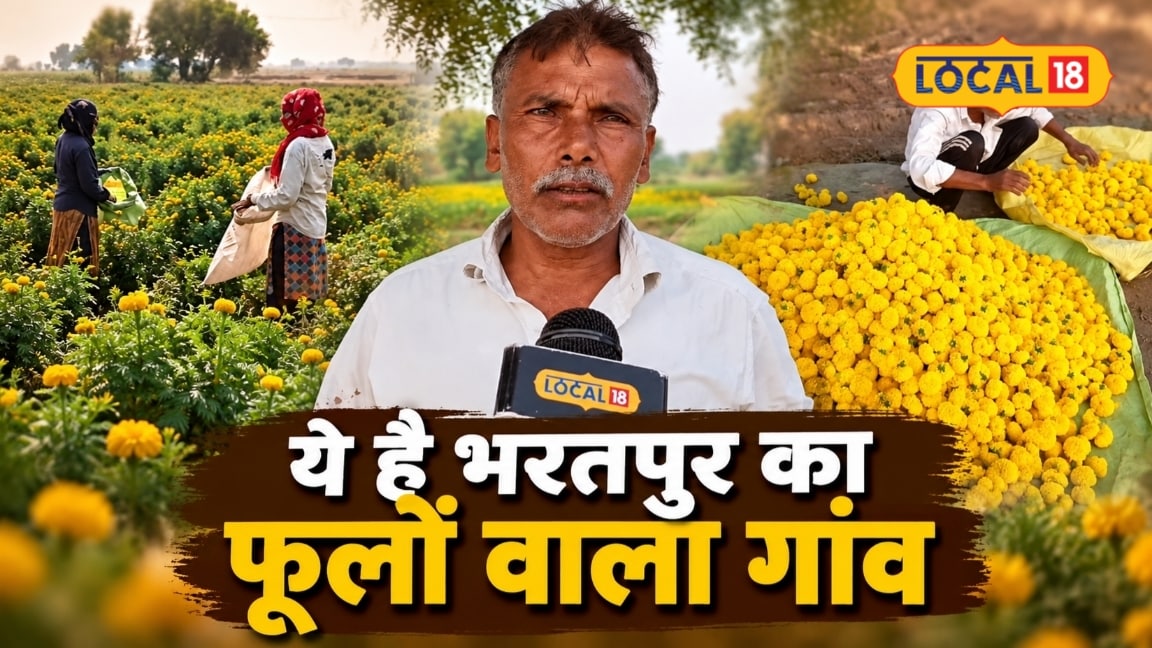
In a remarkable shift in agricultural practices, Burawai village located in Bharatpur has firmly established its identity as a prominent 'floral village'. Moving away from traditional seasonal cropping patterns, local farmers have embraced commercial floriculture on a massive scale. This transition marks a critical turning point for the local rural economy, proving that diversification can yield highly lucrative results for agrarian communities.
The roots of this agricultural transformation trace back to a strategic initiative launched approximately three years ago. During this period, progressive farmers in Burawai evaluated the market demands for non-traditional crops and realized that cultivating flowers could be significantly more profitable than persisting solely with conventional farming cycles. What began as a cautious experiment by a few individuals has now blossomed into a widespread community movement.
Currently, the scale of production has expanded dramatically, with flowers being cultivated across more than 100 bighas of land within the village boundaries. The primary crop driving this success is the marigold, alongside various other floral varieties that find high demand in regional markets during festive seasons, weddings, and daily commercial trade. This substantial acreage reflects the dedication and willingness of local farmers to adopt innovative cultivation techniques.
The financial ramifications of this transition are profound and immediately visible within the community. For generations, farmers in Burawai relied heavily on standard crops like wheat and mustard, where profit margins were frequently subjected to fluctuating weather conditions and market rates. By switching to floriculture, these agrarian families have unlocked a steady and significantly enhanced stream of daily and seasonal income, transforming their financial stability.
The economic success witnessed in Burawai is beginning to inspire neighboring rural sectors across the wider region. As agricultural markets increasingly recognize the village as a reliable supplier of fresh flowers, local trade networks have strengthened considerably. Traders and wholesalers from surrounding districts frequently visit the village to procure bulk supplies, thereby integrating the local economy into a broader commercial supply chain.
Administrative observers and agricultural extension agencies are closely monitoring this successful diversification model. While the initiative was primarily driven by the independent enterprise of the farmers themselves, the growing scale of production highlights the necessity for supportive infrastructure, such as cold storage facilities, organized mandis, and improved transportation logistics to prevent post-harvest losses.
Looking toward the future, the farming community in Burawai remains optimistic about expanding their horticultural ventures even further. With more than 100 bighas already dedicated to flowers, plans are under discussion to introduce advanced irrigation methods and organic pest management to enhance crop yield and quality. This forward-looking approach ensures that Burawai will continue to flourish as a symbol of agricultural prosperity and innovation.
