
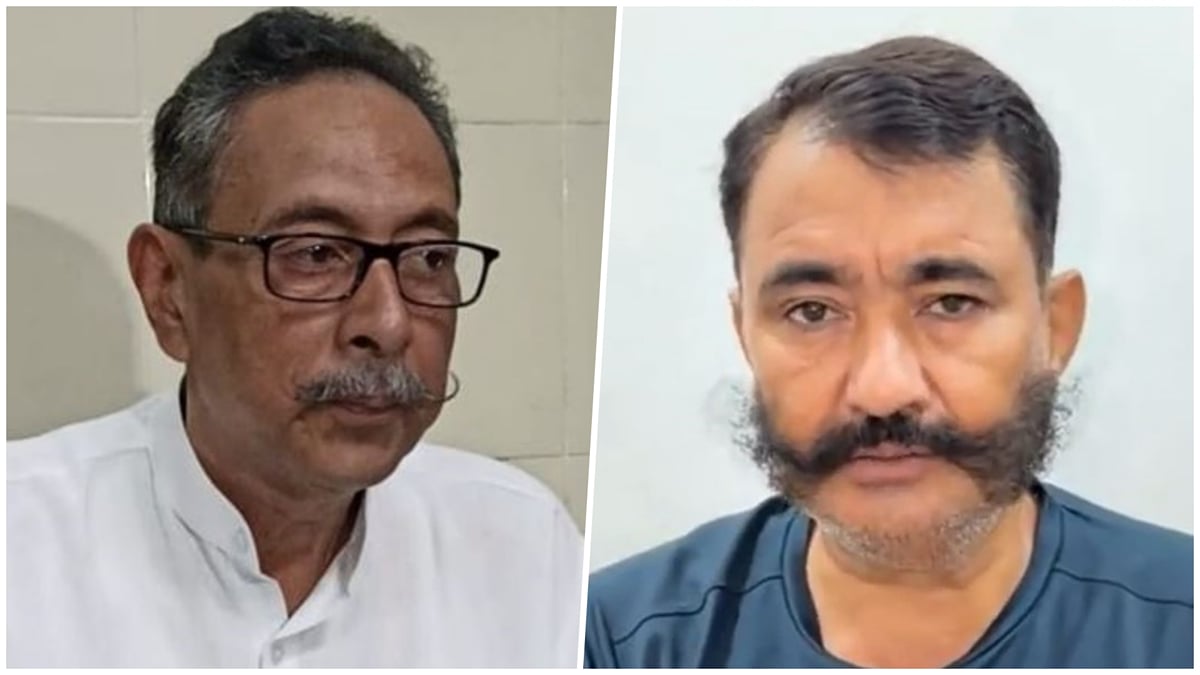
The political landscape of Bharatpur has witnessed a sudden escalation of tensions as a fierce war of words breaks out among the key leaders of the Jat reservation agitation. The public dispute involves former minister Vishvendra Singh and reservation struggle committee convenor Nem Singh Faujdar, who have openly targeted each other over their leadership credentials and contributions to the community's demands. This unfolding rift at the apex level of the agitation has sent ripples across local political circles, drawing intense scrutiny from community members and observers alike.
Historically, the Jat reservation movement in Bharatpur has navigated through various phases of negotiations, protests, and political alignments. The current discord stems from differing viewpoints on how the leadership has steered the movement and managed political relationships over the years. Both Vishvendra Singh and Nem Singh Faujdar possess deep-rooted connections within the regional social fabric, making their public falling out a matter of significant consequence for the entire agitation machinery and its future trajectory.
At the center of this controversy are competing claims regarding personal sacrifices, organizational control, and strategic direction of the ongoing struggle for reservation benefits. As discussions and debates intensify across public forums and private meetings, supporters of both leaders have engaged in cross-verifications of past actions and policy stances. The lack of a unified front among the vanguard leadership has introduced new challenges for grassroots mobilizers who rely heavily on cohesive messaging to sustain public momentum.
Stakeholders across the spectrum, including local citizens, traders, and community elders, have expressed concern over the escalating verbal duel between Vishvendra Singh and Nem Singh Faujdar. Many community members fear that protracted infighting among prominent figures could dilute the core focus of the reservation agitation, diverting attention away from administrative negotiations and legislative advocacy. Business owners and daily commuters in Bharatpur are closely monitoring the situation, wary of potential disruptions should the political friction translate into larger street-level demonstrations.
While the immediate epicentre of this political friction remains Bharatpur, its reverberations are being felt across neighboring districts within the broader territorial jurisdiction, influencing regional political equations. Community organizations in adjacent administrative zones are evaluating how the division at the top might alter coalition-building efforts and collective bargaining power with state authorities. The ideological and strategic divergence between the veteran former minister and the active committee convenor serves as a critical test for regional unity.
Administrative authorities in Bharatpur are keeping a close watch on the developments surrounding the public sparring between the Jat reservation leaders. Law enforcement and district administration officials maintain a vigil to ensure that the war of words does not spiral into public unrest or law and order challenges. Although no official interventions have been formally initiated regarding the political statements, monitoring mechanisms remain active to evaluate any potential logistical implications on public gatherings.
Looking ahead, the resolution or deepening of the rift between Vishvendra Singh and Nem Singh Faujdar will likely dictate the immediate future of the Jat reservation movement in Bharatpur. Public expectations hinge on whether senior figures can reconcile their differences or if the ideological divergence will precipitate a permanent restructuring of leadership roles within the struggle committee. Observers emphasize that transparent dialogue and adherence to collective community goals will be essential to restore absolute harmony within the agitation ranks.