
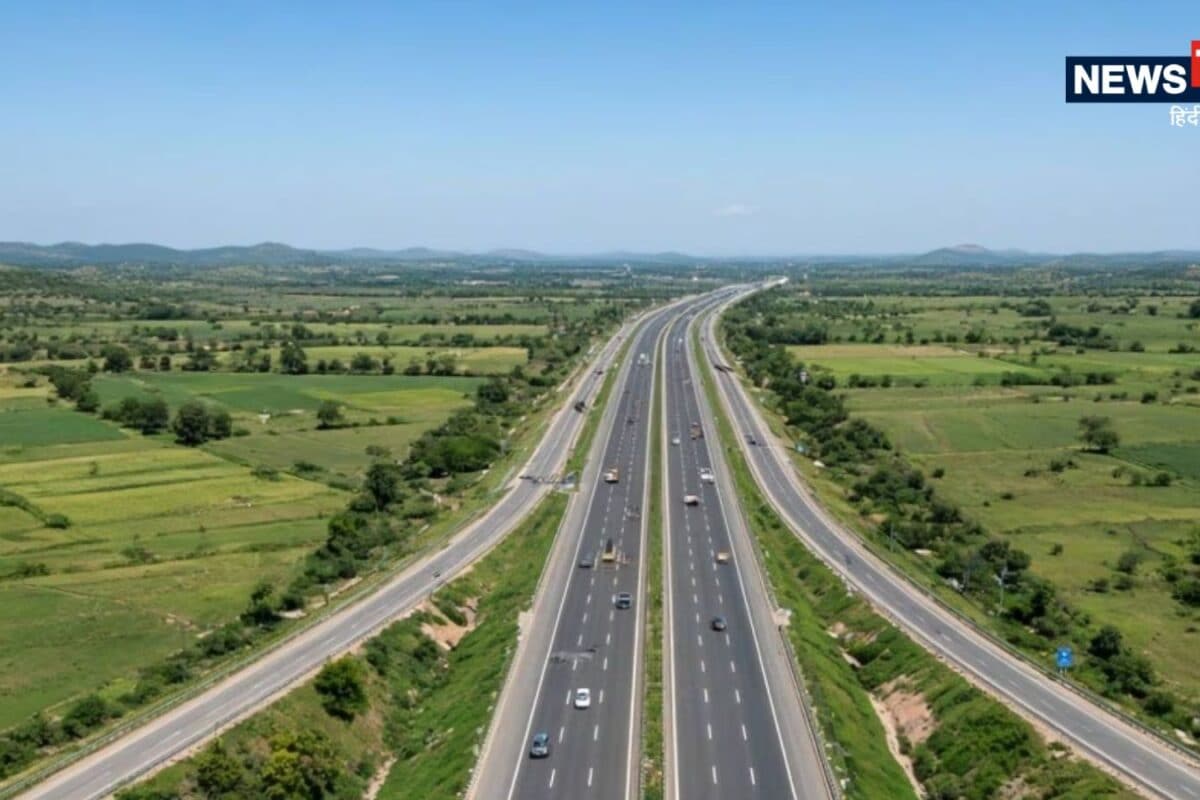
In a monumental leap forward for the transportation and logistics landscape of Rajasthan, the construction work on the ambitious Beawar-Bharatpur greenfield expressway is progressing at an exceptionally rapid pace. This transformative infrastructure initiative aims to overhaul connectivity, streamline vehicular movement, and foster regional economic integration across multiple districts. As administrative machinery and engineering teams work in tandem, this monumental corridor is emerging as a lifeline for commuters, commercial transporters, and industrialists alike.
Historically, transit between the key cultural and administrative hubs of Rajasthan and the national capital involved navigating congested routes and older highways, frequently leading to extended travel durations and economic inefficiencies. The conceptualization of this greenfield corridor stems from the urgent necessity to alleviate traffic congestion on legacy roads, reduce transit times, and establish a seamless industrial transit route. By bypassing densely populated urban centres and utilizing modern engineering paradigms, the project addresses long-standing logistical hurdles faced by daily commuters and freight operators.
Delving into the operational specifics and logistical parameters, the upcoming expressway spans an impressive total length of 277 kilometres, establishing a direct and uninterrupted high-speed pathway. Designed to meet international transit standards, the corridor will permit vehicles to maintain a brisk speed of 120 kilometres per hour under safe and optimal driving conditions. This technological and infrastructural upgrade directly impacts transit economics, promising substantial fuel savings and enhanced vehicle turnover for commercial fleet operators navigating the region.
Local traders, commercial enterprises, and regular commuters have expressed immense optimism regarding the realization of this high-speed corridor. Representatives of trade bodies and local chambers of commerce note that streamlined connectivity will drastically reduce turnaround times for perishable goods and industrial raw materials. Citizens residing along the alignment anticipate a paradigm shift in their daily mobility, as regional integration deepens and travel bottlenecks are systematically dismantled through meticulous planning and execution.
The broader geographical and economic ripple effects of the expressway extend significantly toward regional connectivity nodes, enhancing trade routes and passenger movement. Communities and commercial entities situated near the transit corridors stand to gain from enhanced market access, stimulating local employment opportunities and real estate growth. The integration of modern arterial roads with this high-speed network ensures that peripheral regions are seamlessly connected to major economic powerhouses without experiencing the traditional lag of remote infrastructure development.
Administrative oversight and statutory monitoring bodies have maintained rigorous supervision to ensure that the project adheres to strict timelines and high-grade construction protocols. Regional development authorities and engineering wings are conducting regular site audits to resolve logistical bottlenecks and expedite land acquisition or structural erection phases. Officials reiterate their commitment to completing the highway within the stipulated timeframes while maintaining uncompromised structural integrity and safety standards.
Looking ahead, the successful commissioning of the Beawar-Bharatpur greenfield expressway is poised to redefine travel dynamics across northern and western India. Commuters who previously endured gruelling journeys lasting 7 to 8 hours between Delhi and Ajmer will soon complete the same transit in a mere 4.5 to 5 hours. Similarly, the travel duration between Beawar and Bharatpur will contract dramatically to just 3 to 3.5 hours, cementing a new era of efficiency, speed, and connectivity for the citizens of Rajasthan.