
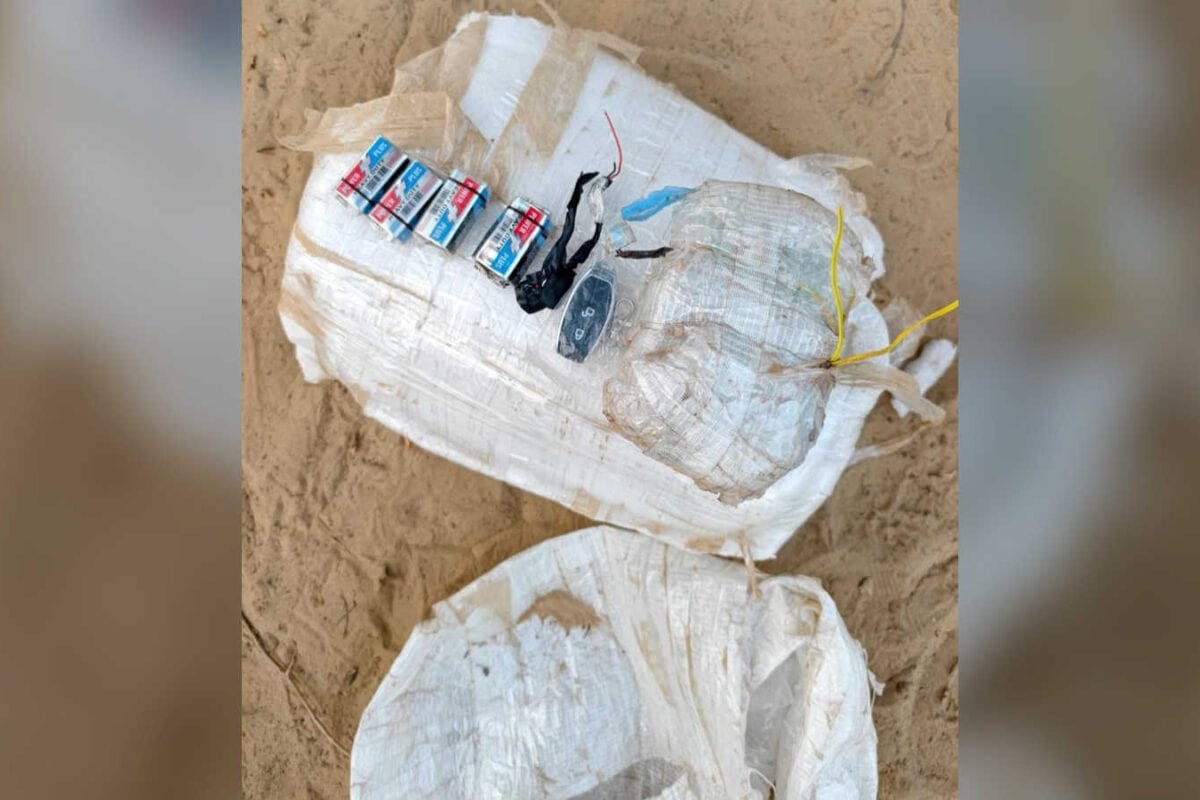
Recent intelligence disclosures concerning the India-Pakistan border have brought to light a deeply concerning security lapse involving high explosives and cross-border elements. Investigations into the recent dropping of RDX and heavy weaponry by drones from Pakistan have revealed a startling modus operandi. Security agencies have confirmed that the communication device utilized to negotiate and finalize this dangerous deal was originally provided to a handler by an informer associated with the Anti Narcotics Task Force (ANTF).
This unfolding development traces back to systematic efforts by intelligence and security apparatuses to monitor and dismantle narcotics and arms smuggling rings operating along the international frontier. Over the years, the border region has witnessed numerous instances of illicit trafficking, where sophisticated syndicates leverage local assets, couriers, and digital communication channels to coordinate illegal activities. The utilization of an ANTF informer's mobile phone underscores the complex challenges faced by enforcement agencies in neutralizing internal vulnerabilities while combating external threats.
According to detailed findings from the ongoing investigation, the logistics of the RDX consignment dropped via drones involved meticulous planning between handlers based in Pakistan and operatives within the operational jurisdiction. The mobile phone in question served as the critical digital bridge for finalizing the transaction, coordinating drop coordinates, and ensuring the seamless transfer of contraband without immediate interception. Financial and logistical tracks are being rigorously scrutinized by specialized units to determine the full extent of the conspiracy and identify all local and international collaborators.
Key stakeholders, including senior security officials, intelligence analysts, and law enforcement commanders, have expressed grave concern over the infiltration of operational assets by hostile elements. Authorities maintain that stringent oversight mechanisms are being re-evaluated to prevent any recurrence of informers or operational tools being compromised by cross-border adversaries. Community leaders and local observers have voiced apprehension, stressing the urgent need for enhanced vigilance and absolute integrity within intelligence-gathering networks to safeguard regional stability.
The repercussions of this security breach extend significantly toward maintaining peace and public safety across the wider administrative geography, including sensitive districts connected to the broader transit corridors. The local economy and community well-being depend heavily on robust border security, as any escalation in terror-related logistics directly threatens regional harmony. Civil society members have called for transparent administrative communication and unwavering resolve from security forces to insulate local populations from such trans-national security hazards.
In response to these revelations, administrative authorities and specialized task forces have initiated comprehensive corrective measures, tightening statutory oversight and internal auditing procedures. Security protocols governing the deployment, registration, and monitoring of communication devices used by field informers are undergoing radical transformation. Law enforcement agencies are collaborating closely at multi-agency levels to ensure complete accountability and eliminate any loopholes that could be exploited by foreign handlers.
Looking forward, the investigation charts a rigorous timeline focused on tracking every digital footprint, financial transaction, and personal association linked to the compromised mobile device. Upcoming judicial and administrative procedures will ensure that all individuals found culpable face the full force of the law. Public expectations remain centered on a decisive crackdown against the entire terror-narcotics nexus, ensuring that India's territorial integrity and internal security remain uncompromised by external aggressors.
