
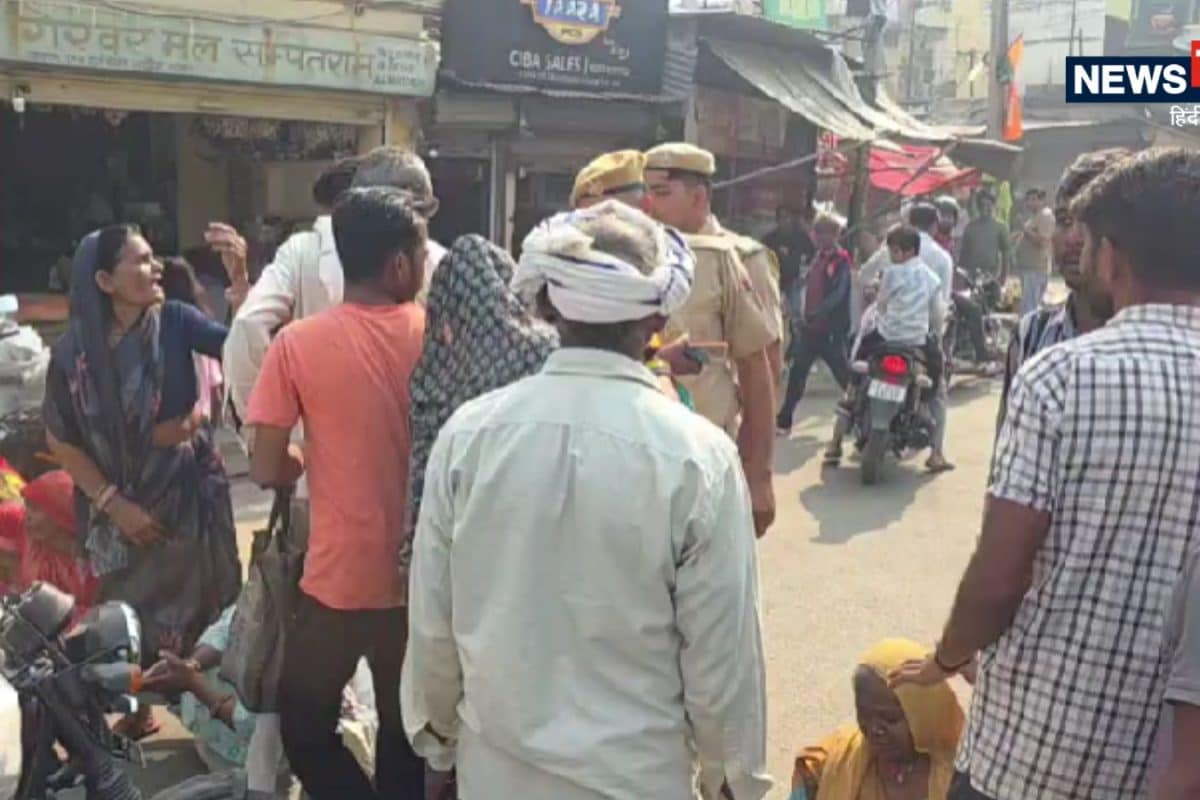
A tense situation unfolded in Alwar city as the ongoing controversy regarding the Diwali Haat market intensified, pitting local street vendors and commercial operators against one another. The dispute centers around the allocation of vending spaces during the peak festive season, which has historically generated significant business revenue for small-scale merchants across traditional marketplaces. The administration's efforts to streamline festive commerce have inadvertently triggered serious operational friction among different groups of vendors.
The current crisis traces its origins back to three days prior, when the municipal corporation executed a major anti-encroachment and relocation drive. During this administrative operation, authorities removed all roadside and footpath vendors from congested commercial zones such as Ghantaghar, Hope Circus, and various other legacy traditional markets. These merchants were officially shifted to a newly designated sprawling site known as the Diwali Haat located along Company Bagh Road, aimed at easing severe traffic congestion during festival shopping.
However, the smooth enforcement of this administrative relocation quickly collapsed as commercial disparities and customer footfall patterns created deep economic fractures among the traders. A fraction of the relocated vendors secretly abandoned the designated Company Bagh Road site and illicitly moved their operations back to their original lucrative locations at Ghantaghar and Hope Circus. Operating from these prominent legacy spots granted them an unfair commercial advantage in attracting festival shoppers over those merchants who strictly adhered to municipal orders.
When the compliant vendors stationed at the Company Bagh Road Diwali Haat discovered that their counterparts had covertly resumed business in the prohibited core markets, profound resentment and anger spread through their ranks. Viewing this development as a direct breach of fairness and administrative oversight, the aggrieved vendors united under a collective banner to demand immediate intervention from local authorities to restore a level playing field.
The administrative fallout of this vendor rivalry extended rapidly beyond the marketplace, directly impacting civic mobility and public order within the broader urban landscape of the region. The aggrieved merchants abandoned the Company Bagh Road site entirely and marched in a forceful demonstration directly toward the municipal corporation office, halting commercial activities and voicing intense dissatisfaction with local governance enforcement.
Upon reaching the municipal corporation headquarters, the protesting vendors escalated their agitation by staging a sit-in dharna directly blocking official premises access. Furthermore, the mass gathering and subsequent road blockade severely disrupted vehicular traffic movement across vital arterial junctions in Alwar city, forcing local law enforcement personnel to step in and manage escalating public tensions.
As municipal authorities face mounting pressure to resolve the crisis equitably, the incident highlights the complex socio-economic challenges of managing urban street vending during major festivals. Stakeholders across Alwar city now await definitive administrative actions to ensure fair trade practices, clear boundary enforcement, and sustainable solutions that prevent future conflicts between competing merchant groups.
