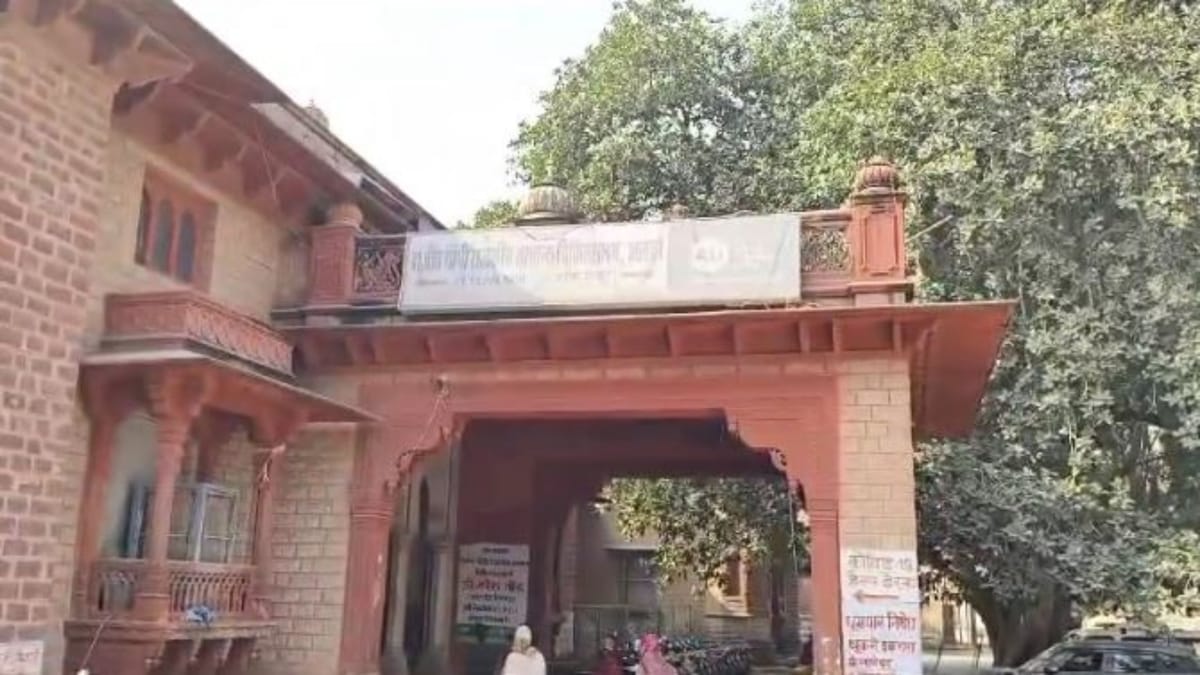
In the medical facilities of Rajasthan, a grave situation has emerged as critical healthcare services face sudden operational disruptions, leaving vulnerable patients in a state of distress. At the blood bank of Alwar district hospital, a vital medical device designated for processing essential blood components has ground to an absolute halt. The Single Donor Platelet machine, which serves as a literal lifeline for individuals battling life-threatening medical conditions, has been completely non-operational for a span of a full week.
The root cause of this alarming operational failure stems from severe technical complications within the electrical power backup infrastructure connected to the machinery. Medical institutions rely heavily on uninterrupted power supplies to maintain sensitive equipment, yet the failure of the backup system at Alwar district hospital has rendered the advanced SDP unit useless. Without a stable and reliable source of electricity, hospital technicians cannot safely operate the machinery to separate and preserve necessary blood platelets for emergency interventions.
This prolonged technical breakdown has triggered severe logistical and financial crises for families who depend entirely on public healthcare institutions for affordable medical treatment. Patients suffering from dengue, advanced cancer, and various other acute blood-related disorders require timely transfusions of single donor platelets to survive critical phases of their illnesses. Due to the complete breakdown of the facility at Alwar district hospital, these distressed families are left with no alternative but to approach external commercial establishments.
The financial ramifications of this administrative and technical failure are exceptionally punishing for common citizens belonging to economically weaker sections of society. Afflicted families are currently forced to procure SDP units from private medical institutions at an exorbitant cost of approximately 11,000 rupees per unit. For daily wage earners and impoverished households, arranging this substantial sum on short notice creates an unbearable debt cycle, directly violating the core principle of accessible public healthcare.
The reverberations of this crisis extend deeply into the wider regional healthcare ecosystem surrounding the region, affecting surrounding communities that rely on the central medical infrastructure of Alwar district hospital. When primary government institutions fail to provide essential life-saving therapies, regional patients from neighboring localities face compounded transit challenges and escalating out-of-pocket medical expenditures. The local healthcare economy suffers as families divert scarce household savings away from basic sustenance toward emergency private medical purchases.
Public health advocates and community representatives have repeatedly questioned the administrative oversight and the sluggish pace of technical repairs at the institution. Ensuring continuous power backup for critical life-support and blood-processing machinery should represent an absolute priority for hospital management and regional health authorities. The failure to swiftly address the underlying electrical faults within a span of a full week highlights systemic vulnerabilities in maintenance protocols and equipment servicing contracts.
As anxious families continue to bear the brunt of this avoidable administrative lapse, urgent public expectations focus on the immediate restoration of the SDP machine at Alwar district hospital. Health department officials must expedite the necessary electrical repairs, reinstate reliable power backup systems, and ensure that affordable blood component therapy becomes accessible without further delay. Accountability must be established to prevent similar mechanical abandonments from jeopardizing vulnerable lives in the future.