
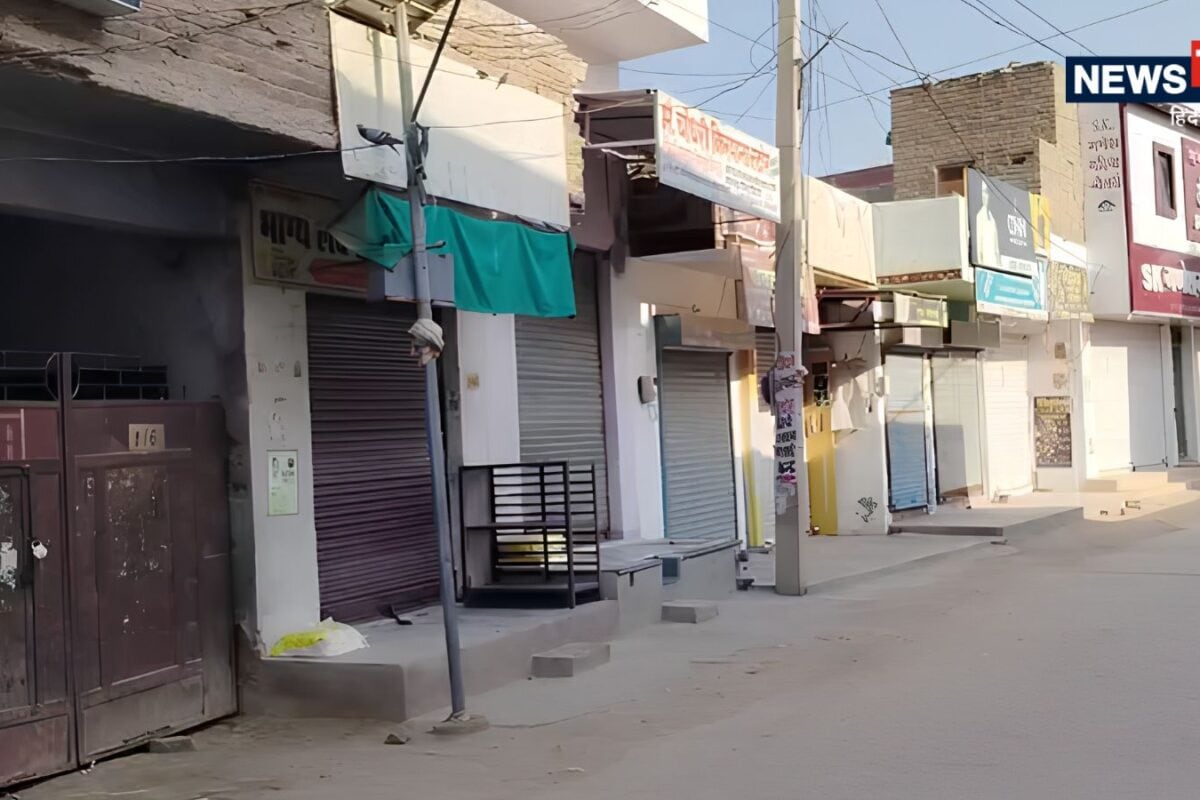
The agitation surrounding the severe shortage of irrigation water in Bikaner has taken a dramatic turn, paralyzing normal commercial and daily life across multiple administrative zones. The core epicenters of this widespread protest include Kajuwala, Rawla, Gharsana, and Anupgarh, where the local markets and wholesale grain yards have completely downed their shutters in solidarity with the farming community. This concerted shutdown reflects deep-seated agrarian anxieties regarding the upcoming agricultural cycles and the critical need for sustained administrative attention toward agricultural water distribution.
The genesis of the current crisis traces back to longstanding grievances concerning the equitable distribution and formal regulation of irrigation water necessary for successful agricultural productivity. Farmers across Bikaner and surrounding districts have consistently argued that traditional water supply channels fail to meet the essential requirements for the Rabi crop sowing season. Without a permanent and reliable regulatory framework governing the release of irrigation water, rural livelihoods remain highly vulnerable to seasonal uncertainties and perceived administrative apathy.
As the agitation scaled up in intensity, the economic toll on local trade and commerce became immediately visible with precisely four major agricultural markets coming to a grinding halt. Traders and commercial establishments chose to suspend all business transactions, directly impacting regional supply chains and daily commerce. This unified front presented by local traders alongside the protesting farmers underscores the profound economic interdependence between urban commercial hubs and the agrarian hinterland within Bikaner.
Amid escalating tensions, formal channels of communication were briefly opened when representatives of the farming community engaged in high-stakes discussions with the chief engineer. However, these late-night negotiations ultimately proved to be completely inconclusive, failing to bridge the gap between official bureaucratic constraints and the urgent demands raised by the cultivators. The breakdown of these talks served as a major catalyst, further exacerbating the anger and resolve of the agrarian leadership on the ground.
The ripples of this ongoing unrest extend far beyond immediate rural boundaries, potentially influencing economic sentiments across adjacent regions, including administrative peripheries and transit routes linked to Kotputli-Behror. While the immediate focal points of the protest remain confined to Bikaner and its constituent markets, disruptions in regional grain distribution and agricultural supply networks invariably cast a broader economic shadow on the larger state ecosystem, affecting commercial confidence and commodity flows.
Administrative authorities and regional engineering departments now face mounting pressure to formulate a viable, long-term solution to address the persistent water deficit. Oversight mechanisms and statutory protocols governing canal management are under intense public scrutiny as community leaders demand immediate interventions. Officials are expected to review regulatory procedures, though finding an immediate compromise that satisfies both state resource limitations and farmer demands remains a formidable administrative challenge.
Looking ahead, the situation threatens to escalate further as community leaders have formally announced a comprehensive regional shutdown and road blockade, known locally as a chakka jam, scheduled for September 24. This impending action sets a strict deadline for official intervention and signals an uncompromising stance by the farming community. Unless constructive administrative breakthroughs occur prior to this date, the region faces the prospect of severe logistical paralysis and heightened civil disobedience.