
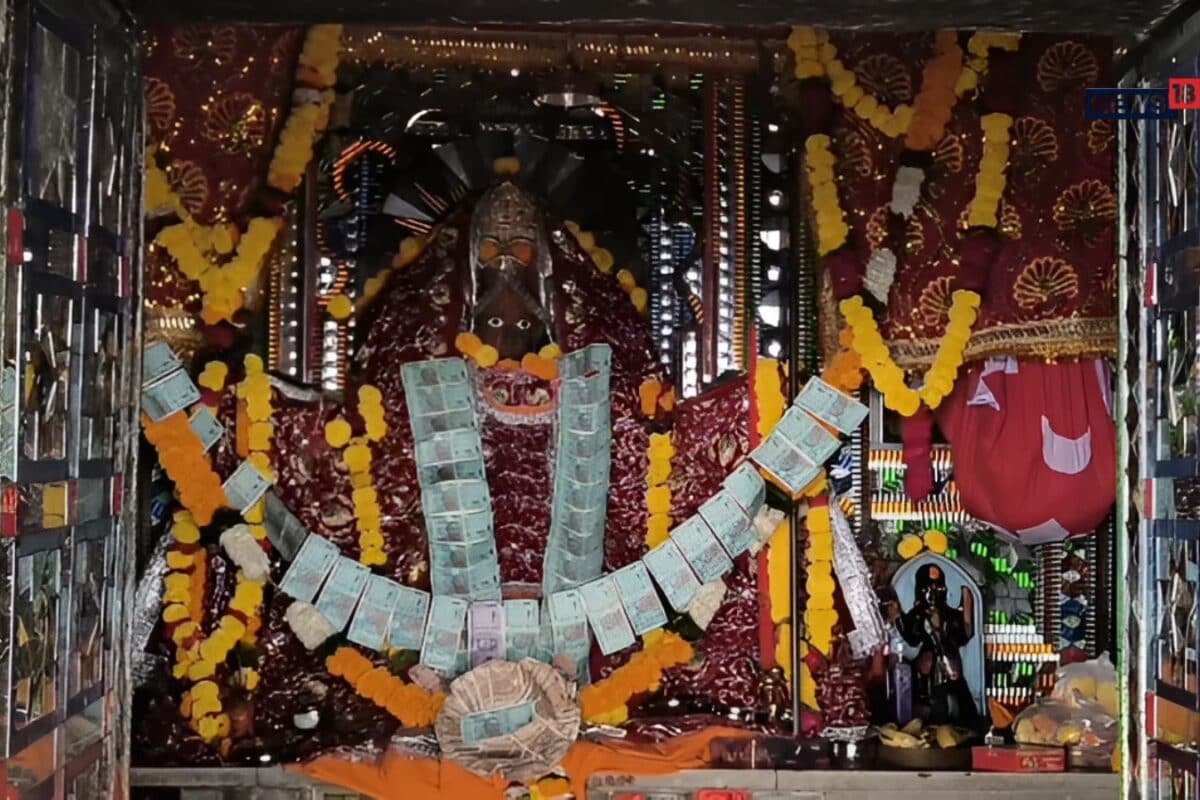
In the rugged terrain of Rajsamand district, situated precisely on the Deogarh-Amet border, stands a remarkable spiritual and historical landmark known as the Seem Mata Temple. Perched at a staggering height of 1,000 feet, this 800-year-old shrine serves as a prominent and deeply revered Shakti Peeth of Mewar. Reaching this sacred destination is no ordinary journey, as devotees and visitors must trek across and traverse seven formidable hills before arriving at the hallowed premises. The sheer geographic isolation of the temple has preserved its pristine environment and centuries-old aura, making it a focal point of intense spiritual devotion and historical intrigue in the region.
Delving deep into the historical annals, the origins of the Seem Mata Temple are inextricably linked with the turbulent and dramatic events of the Mughal era. According to local historical lore and documented regional heritage, the deity played a pivotal and miraculous role in protecting Thakur Pratap Singh during times of severe peril under Mughal rule. As a testament to this valorous and divine intervention, a historic sword belonging to that era is carefully preserved within the temple sanctum to this day. This tangible relic serves as a powerful bridge connecting contemporary visitors to the martial history and defensive struggles of Mewar's nobility.
The physical and logistical reality of managing a shrine located 1,000 feet high across seven hills involves immense dedication, carried forward through unbroken familial stewardship. The spiritual administration and daily rituals of the temple have been meticulously maintained by the descendants of the priestly family, with Bhagwan Lal Gurjar representing the tenth generation currently rendering service at the holy site. Despite the challenging topography and lack of modern urban infrastructure right at the doorstep, thousands of devout pilgrims continue to make the arduous trek annually to seek the blessings of Seem Mata, driven by unwavering faith and deep-seated reverence.
Adding to the profound mystique of the Seem Mata Temple is a rare and breathtaking natural phenomenon that occurs only once a year. On this specific annual occasion, the entire mountain housing the temple undergoes a striking visual transformation, shining brilliantly as though made of pure gold. This dazzling spectacle draws awe from naturalists, photographers, and spiritual seekers alike, compounding the legendary status of the location. Elders and local custodians emphasize that this golden glow remains one of the best-kept secrets of the region's natural topography, drawing concentrated attention during the designated annual period.
The cultural and economic ripple effects of this ancient temple extend far beyond its immediate hilltop boundaries, influencing the wider socio-religious landscape of the Rajsamand district and neighboring regions. The regular influx of thousands of devotees visiting the sanctuary injects vitality into local traditional commerce, transport, and community interactions. Pilgrims traveling from distant parts of Rajasthan converge on the Deogarh-Amet border, fostering a shared regional identity rooted in the preservation of ancient heritage, folklore, and indigenous spiritual practices that have survived eight centuries of political and social transitions.
Administrative oversight and local governance bodies have increasingly recognized the cultural significance of heritage sites like the Seem Mata Temple in boosting regional tourism and preserving architectural and historical assets. Local authorities, in coordination with community leaders and the temple priesthood, periodically assess the infrastructural needs of the pilgrimage route to ensure visitor safety across the seven hills. While maintaining the sanctity and ecological balance of the high-altitude terrain remains a primary challenge, collaborative efforts are continually aligned to manage the heavy footfall witnessed during major festivals and the annual golden manifestation.
Looking ahead, the custodians and regional stakeholders remain deeply committed to preserving the historical integrity and spiritual sanctity of the 800-year-old Seem Mata Temple for future generations. Plans for sustainable heritage tourism, improved visitor guidance, and the documentation of the Mughal-era artifacts, including the historic sword of Thakur Pratap Singh, are under continuous informal discussion among community elders. As the tenth generation led by Bhagwan Lal Gurjar hands down the rich legacy, the timeless shrine on the Deogarh-Amet border stands poised to endure as a monumental beacon of Mewar's glorious past and spiritual resilience.
